Architecture and Art Inventory
The INVENTORY is a collection of things I did or participated in. It is not in any specific order, but rather random. There are many more things to add, and they will appear as time and patience permit.
Where the option appears, click on the image to navigate through the galleries.
There are some playful shapes to drag around the screen - those are just for fun, I like the black & white one. If things get too messy, simply reload the page.
All images and artwork by João Ferreira unless otherwise noted. ZapGun property rights apply.
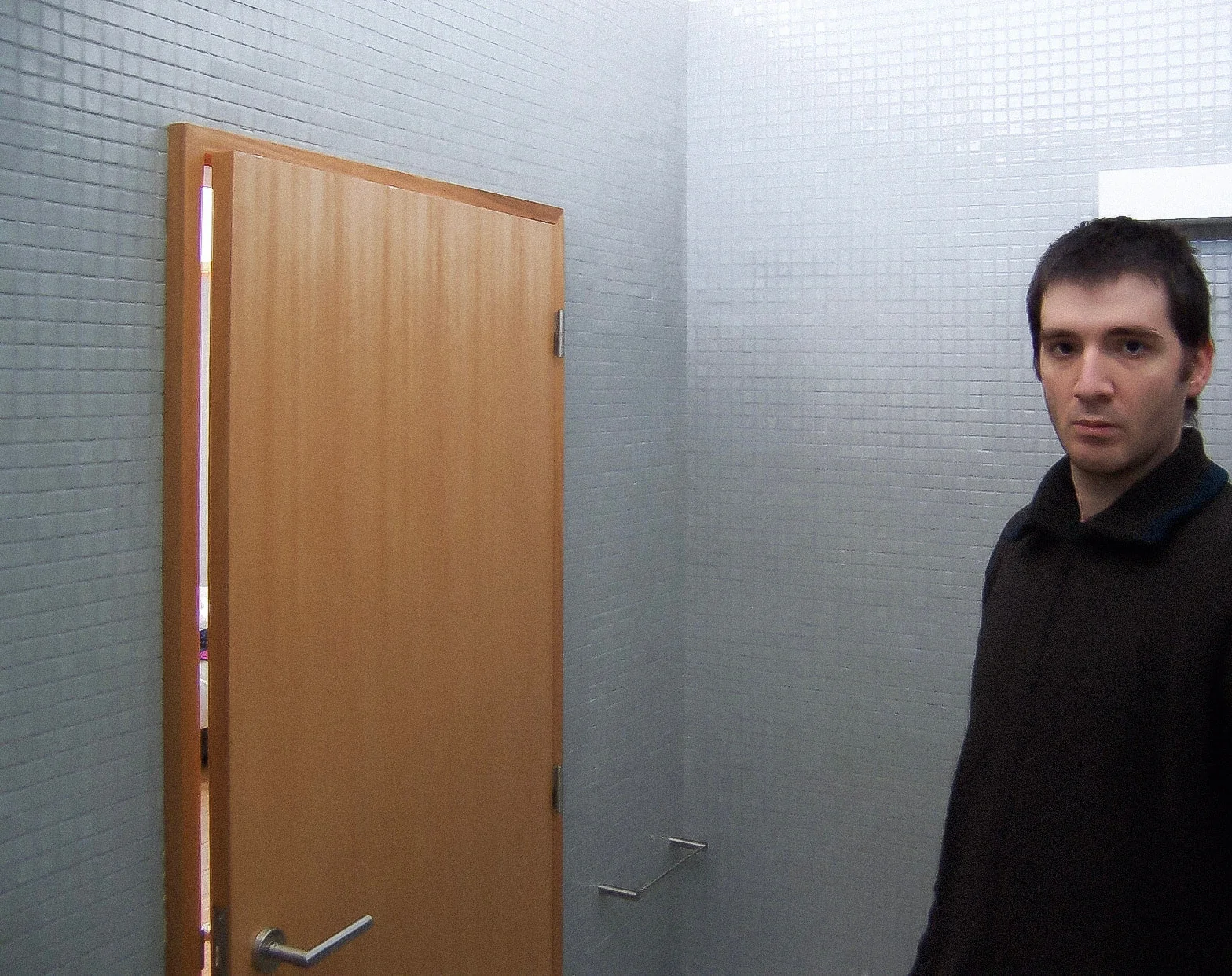
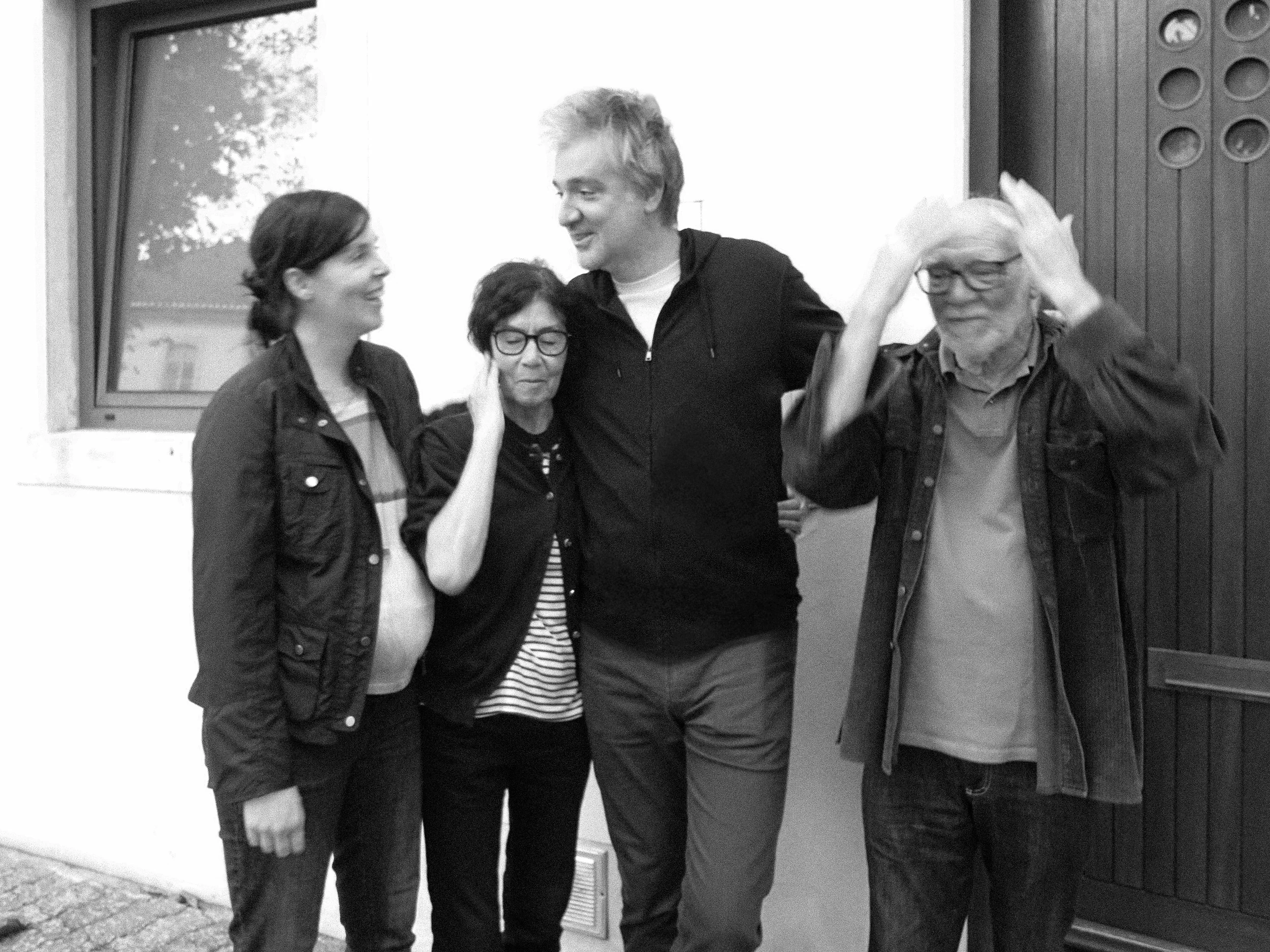
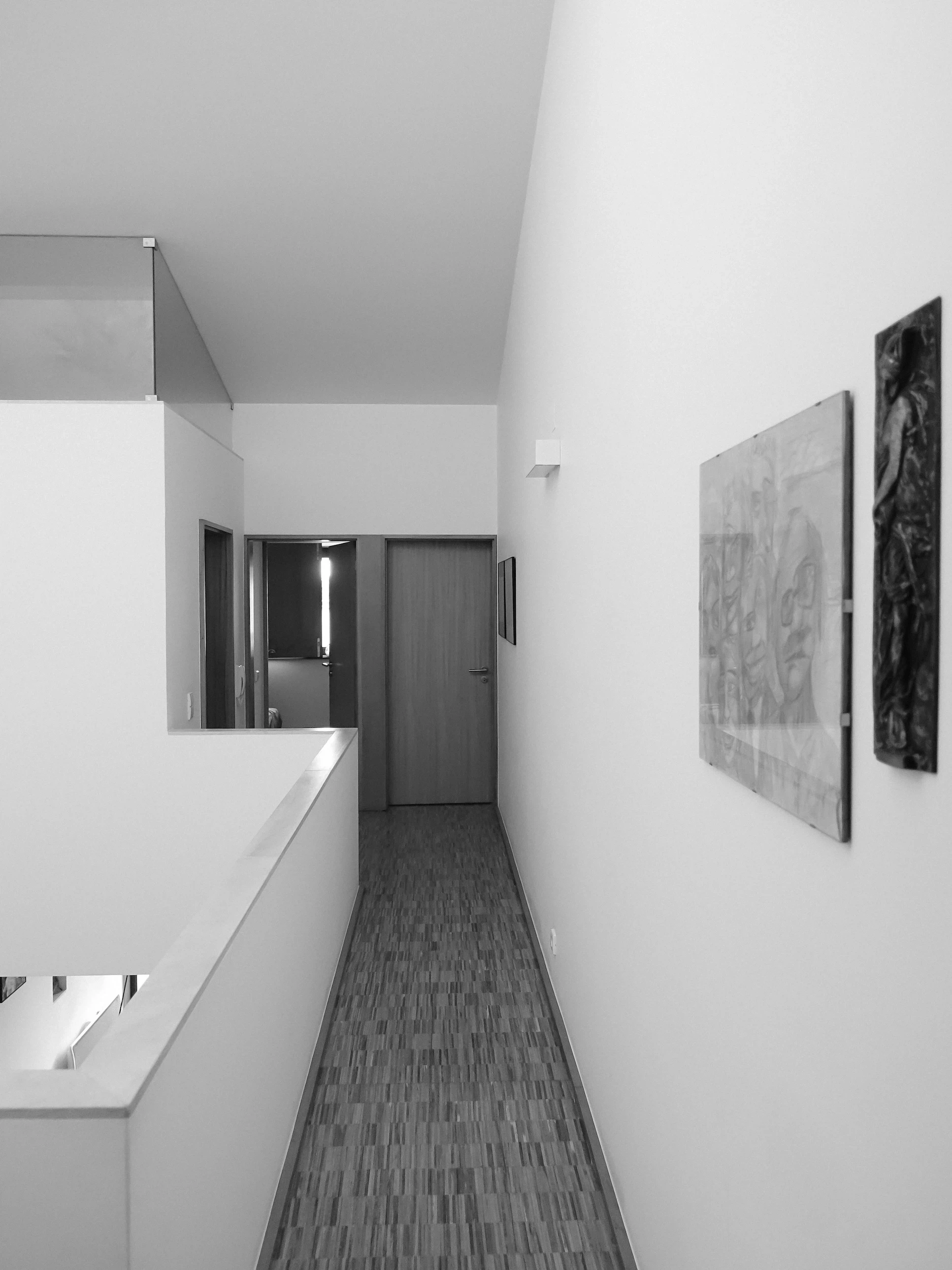
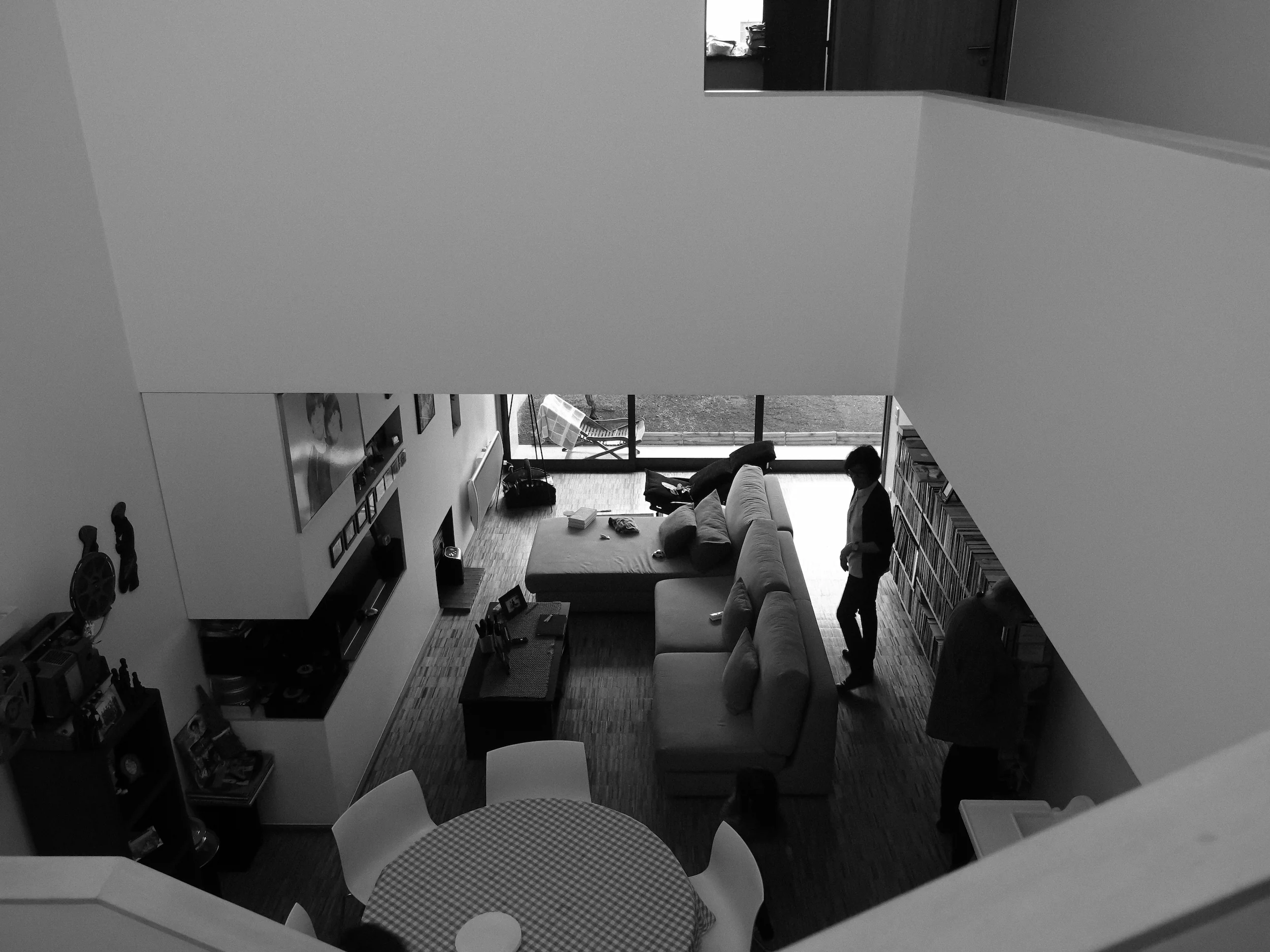
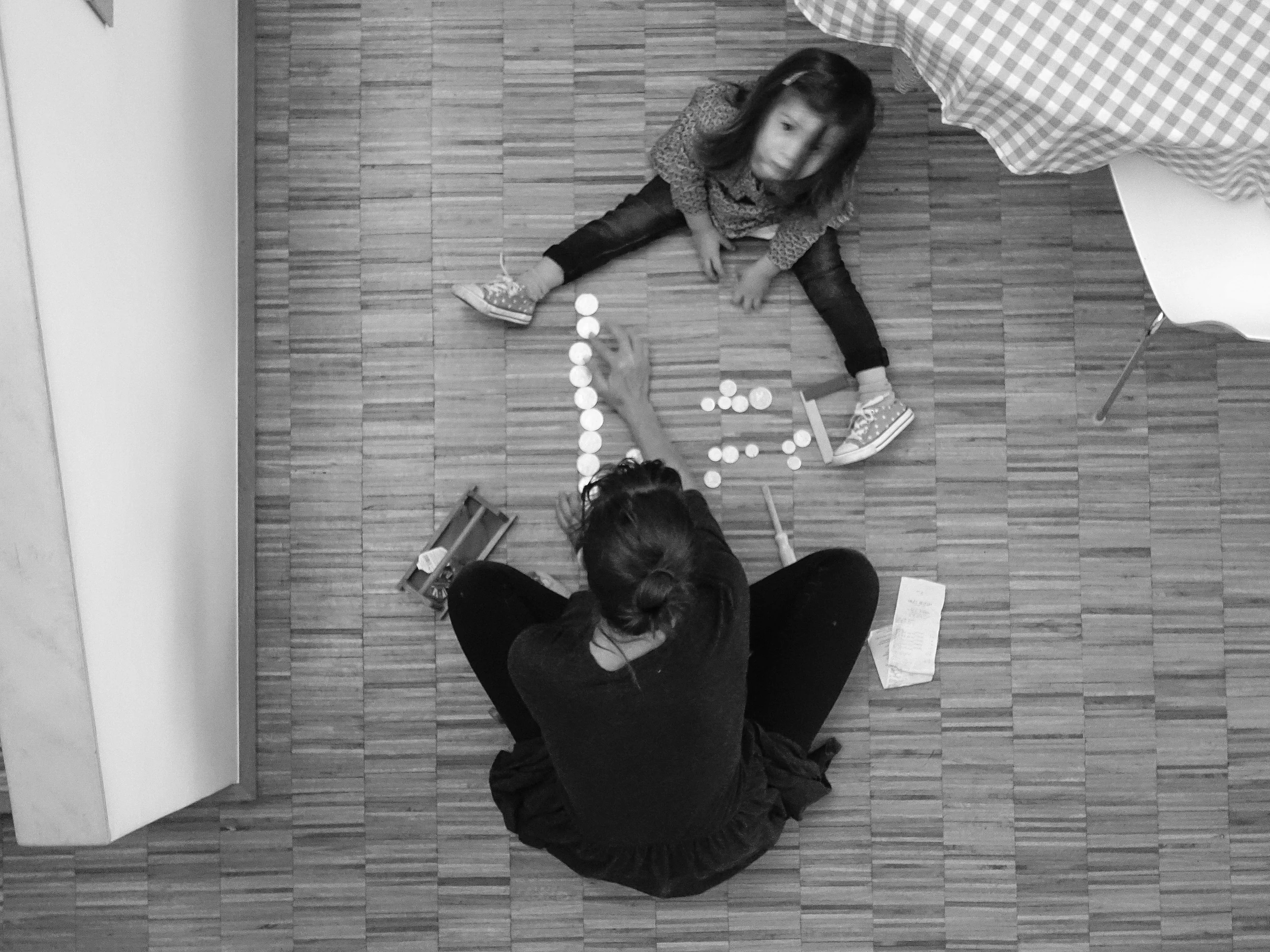
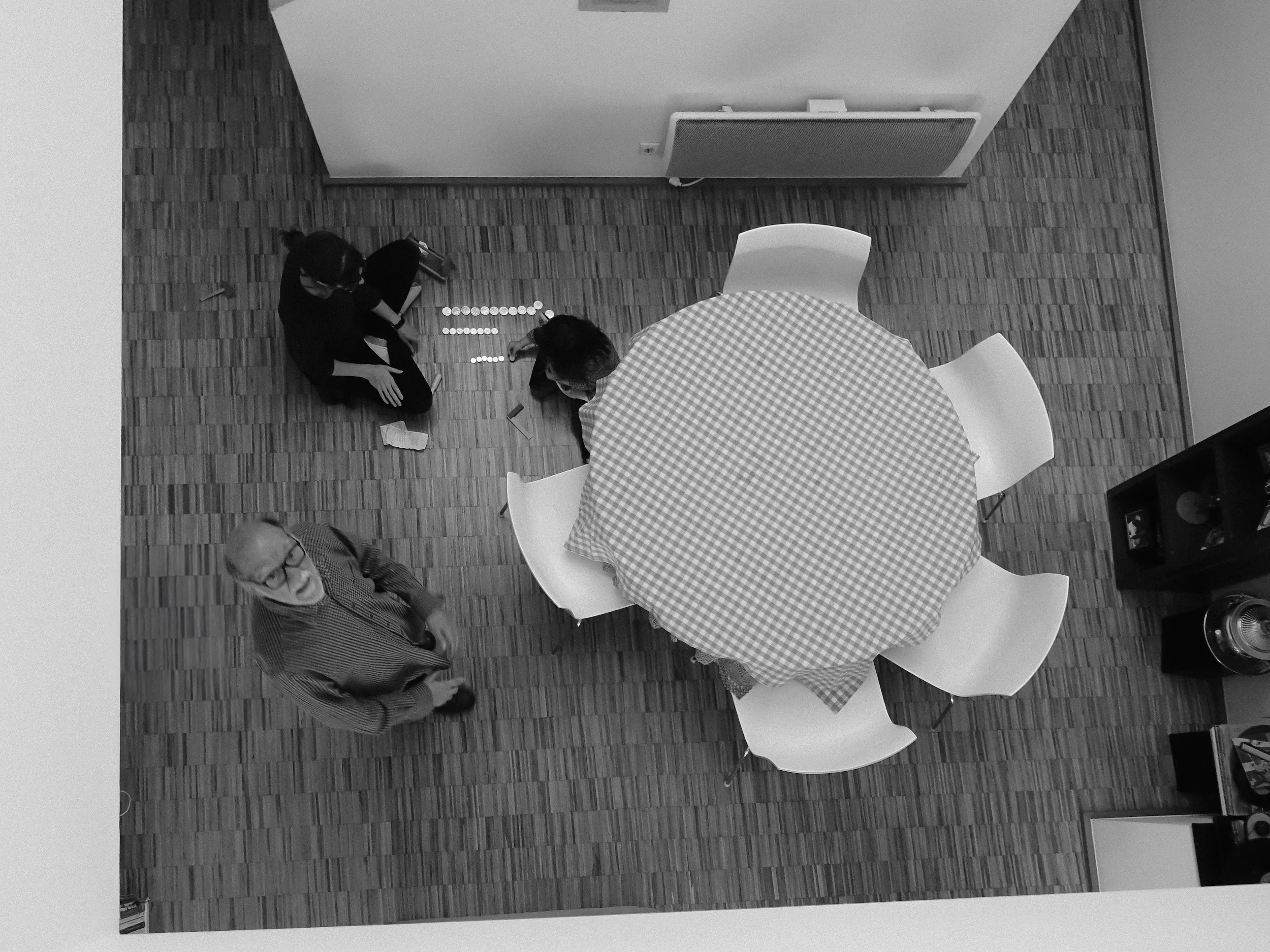
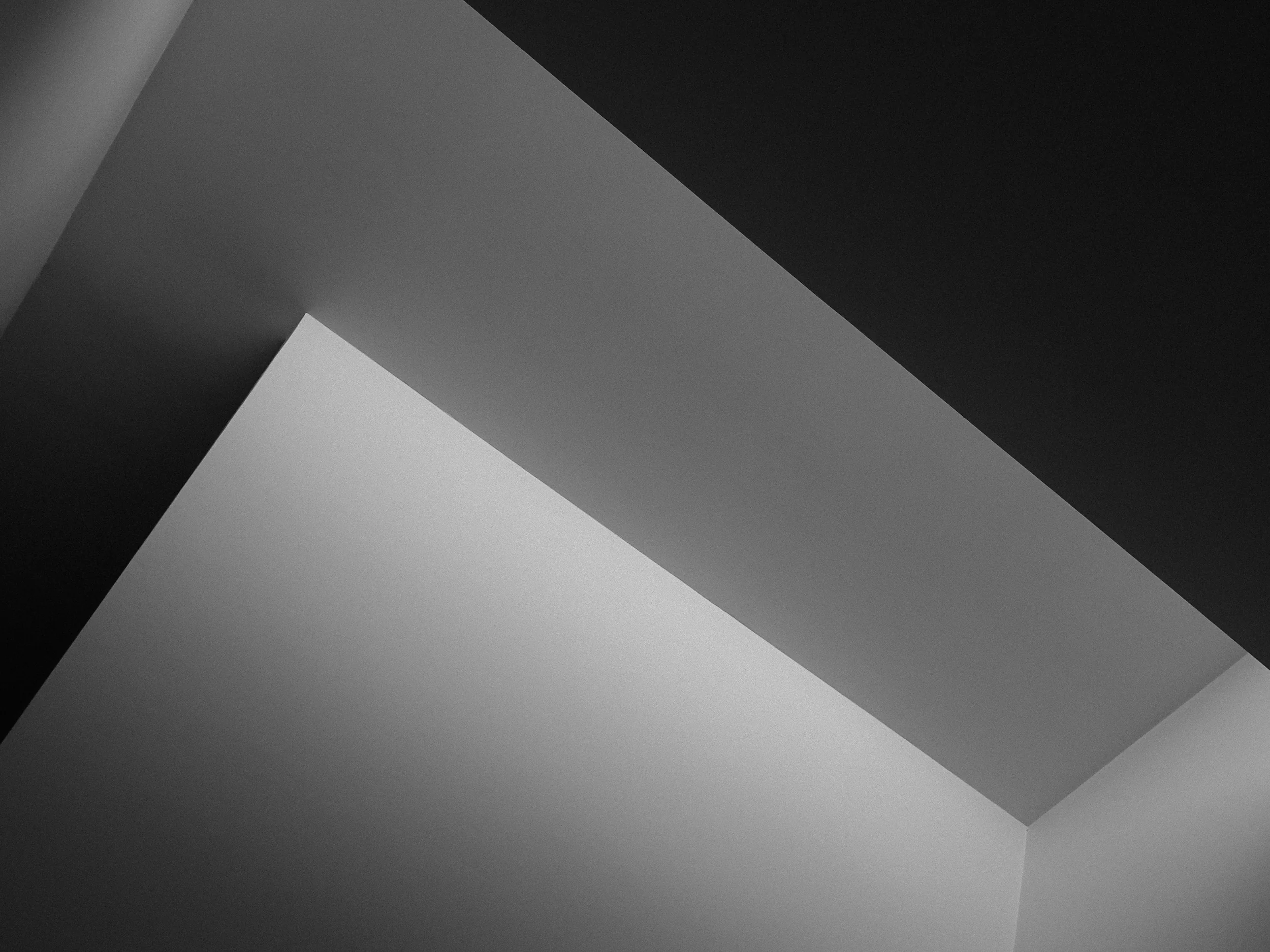
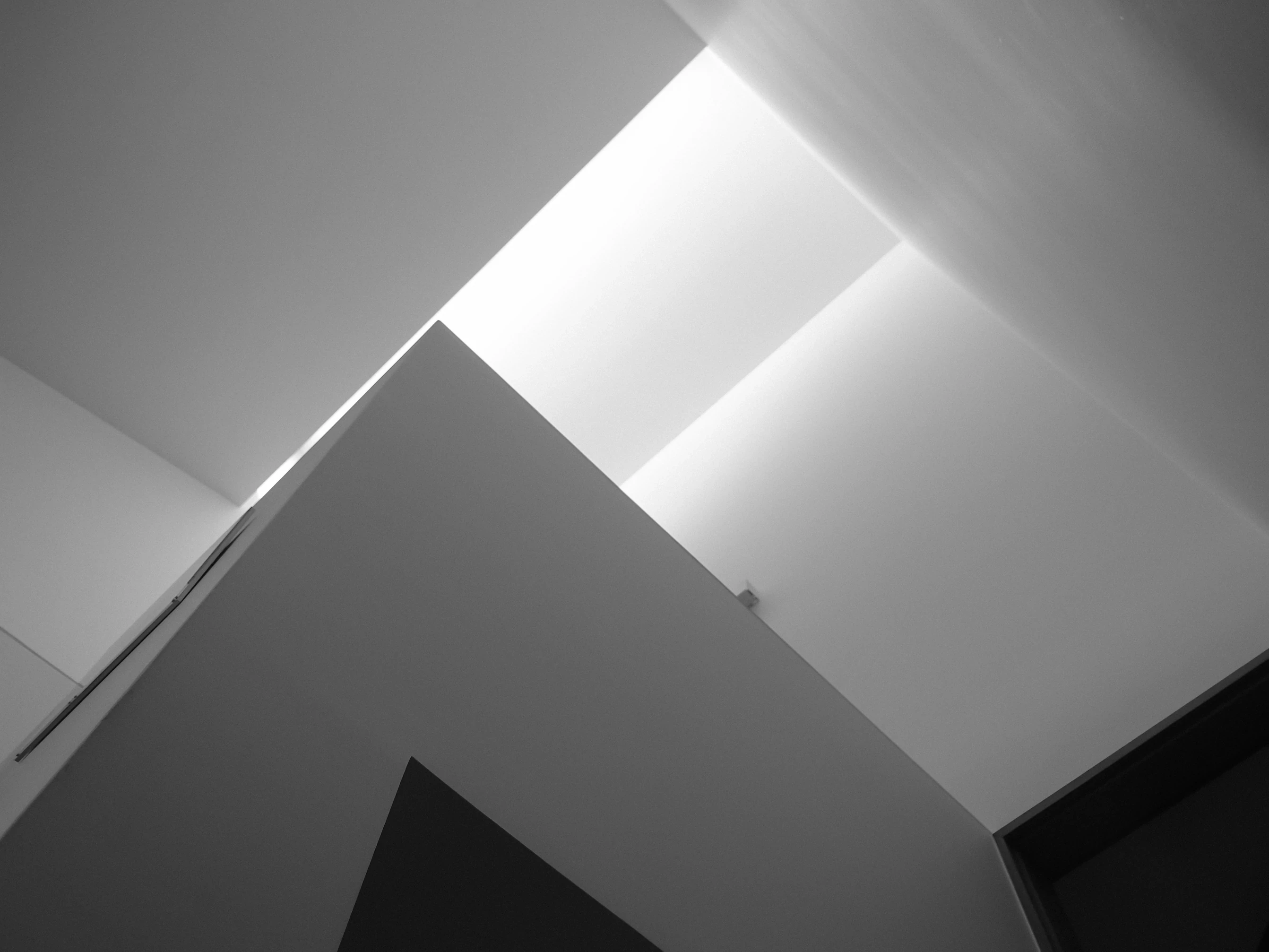
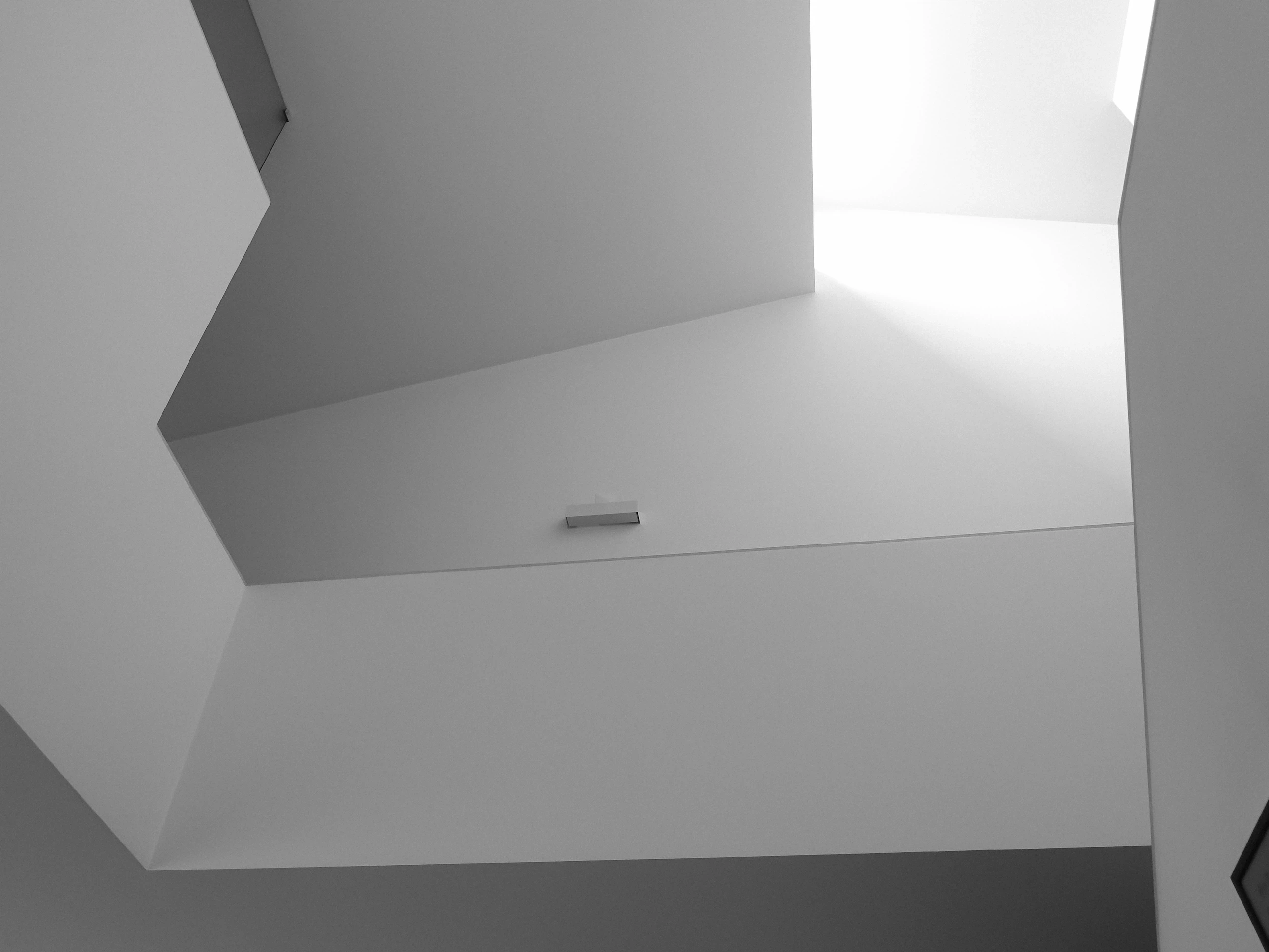
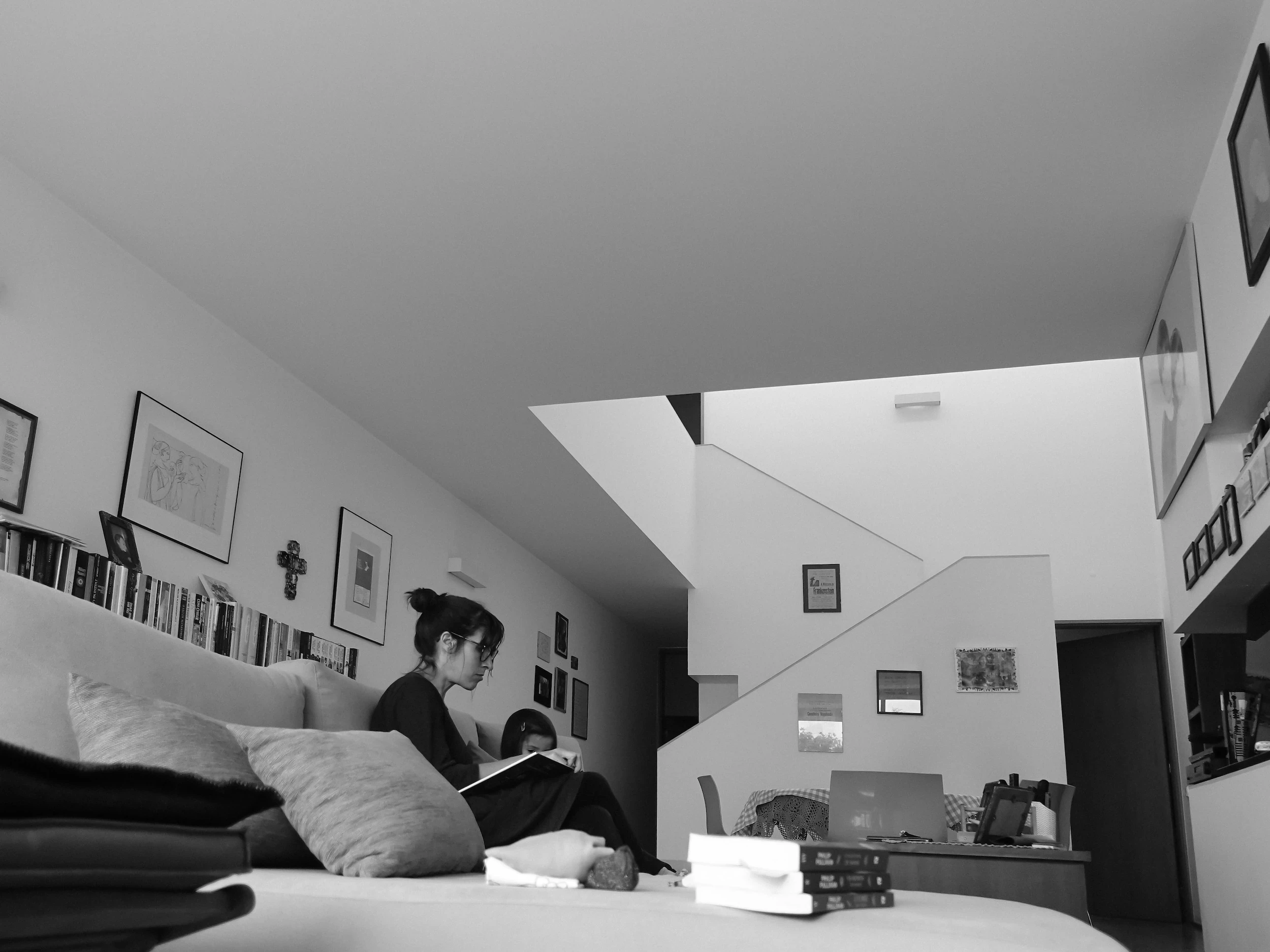
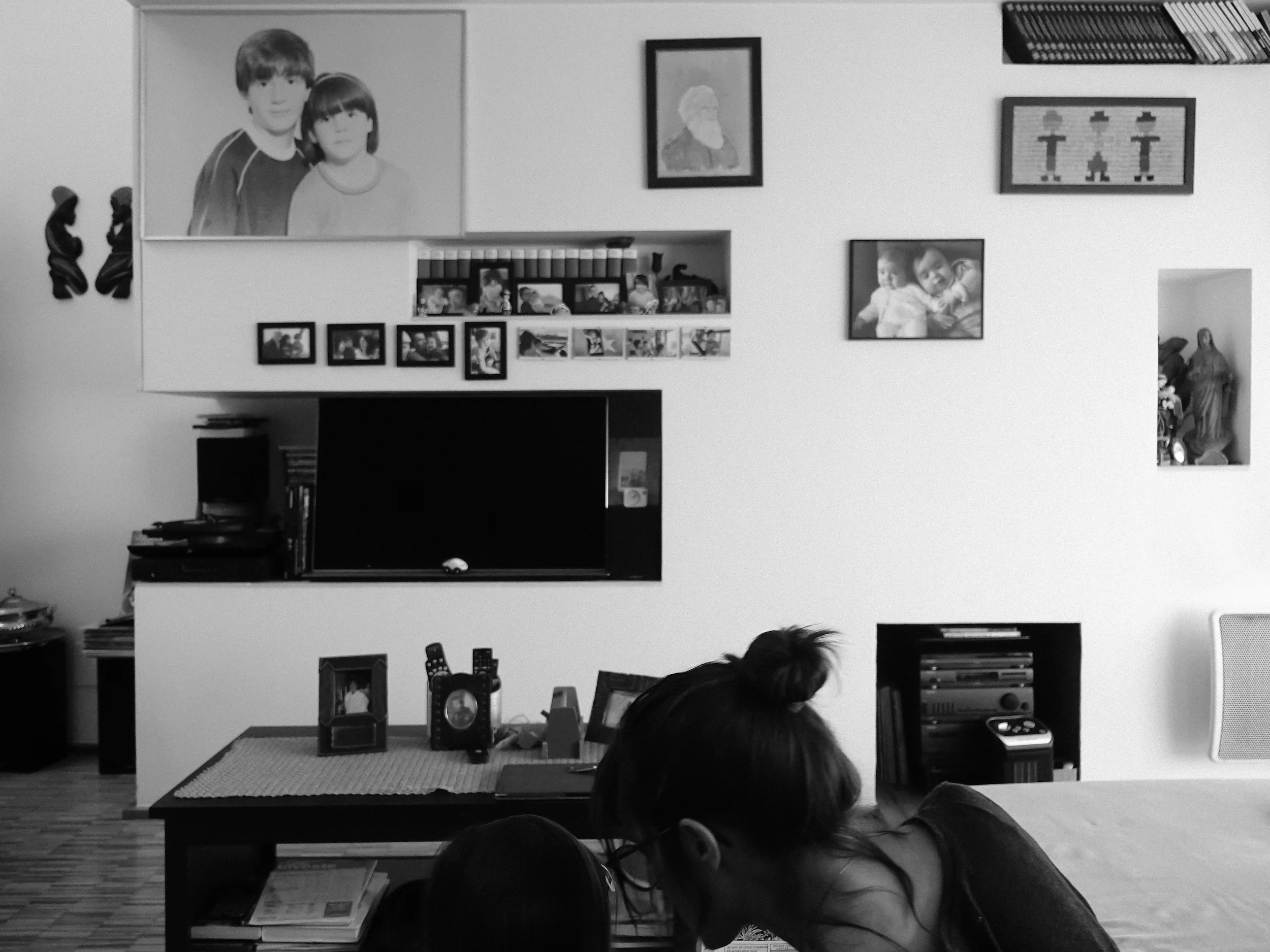
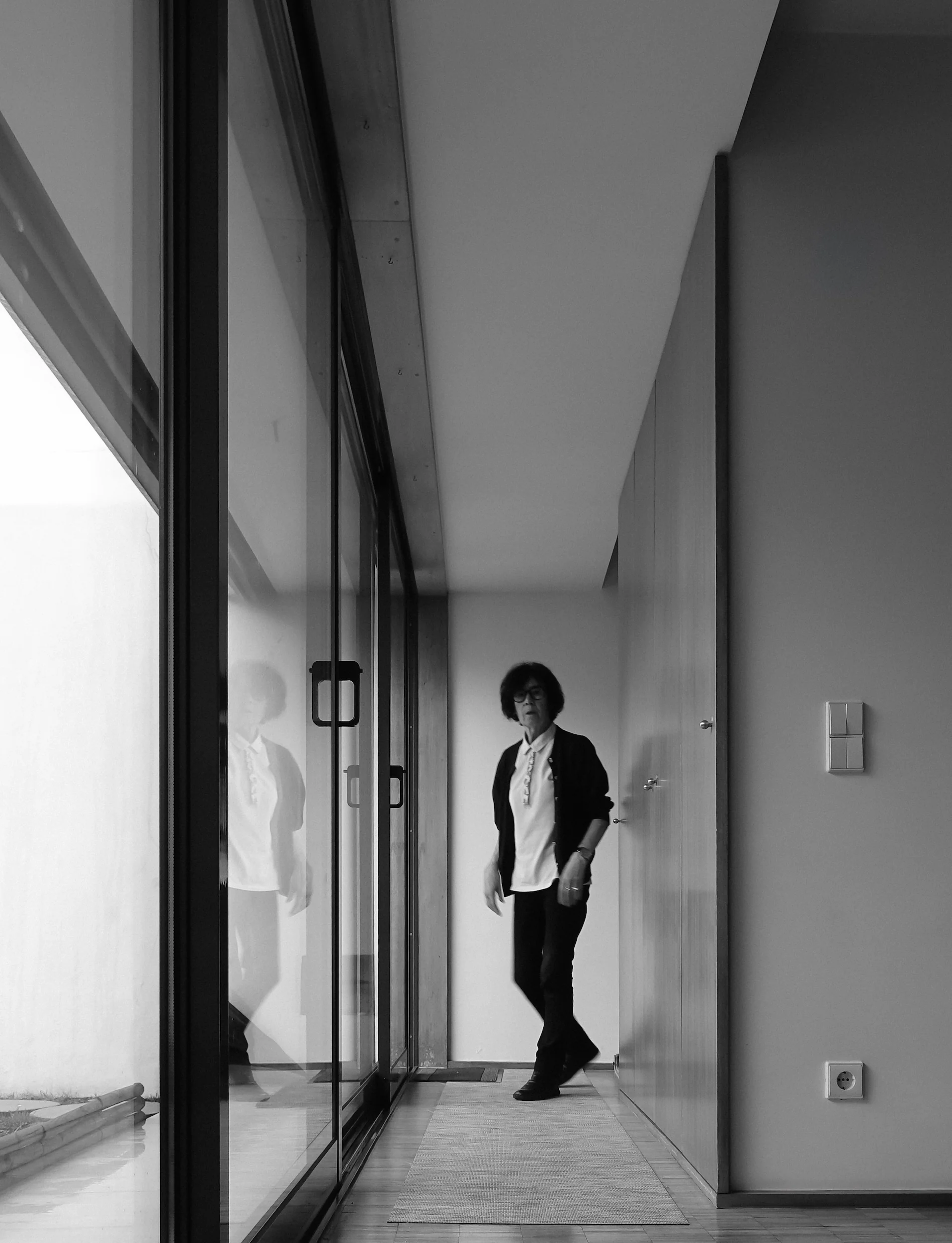
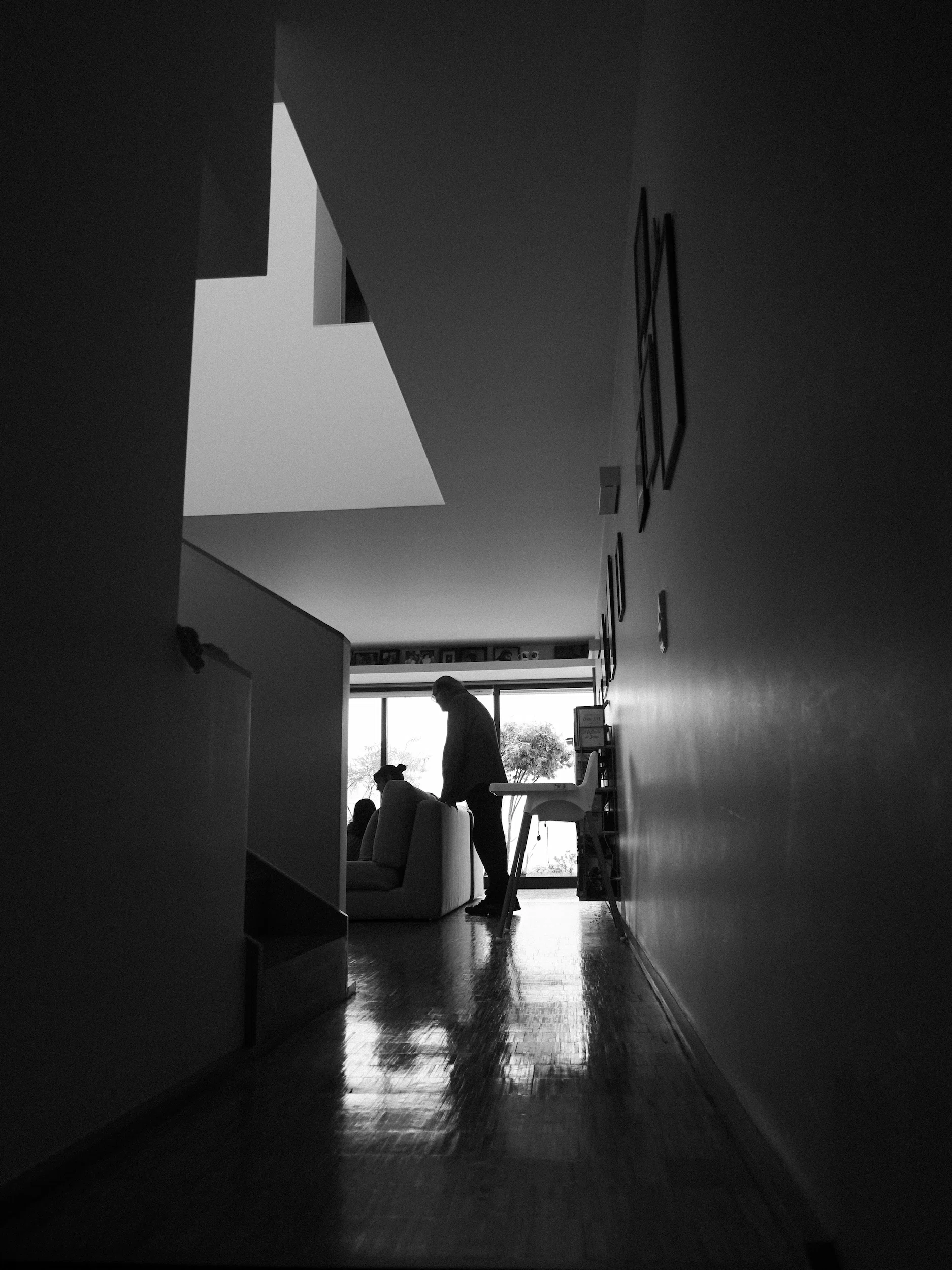
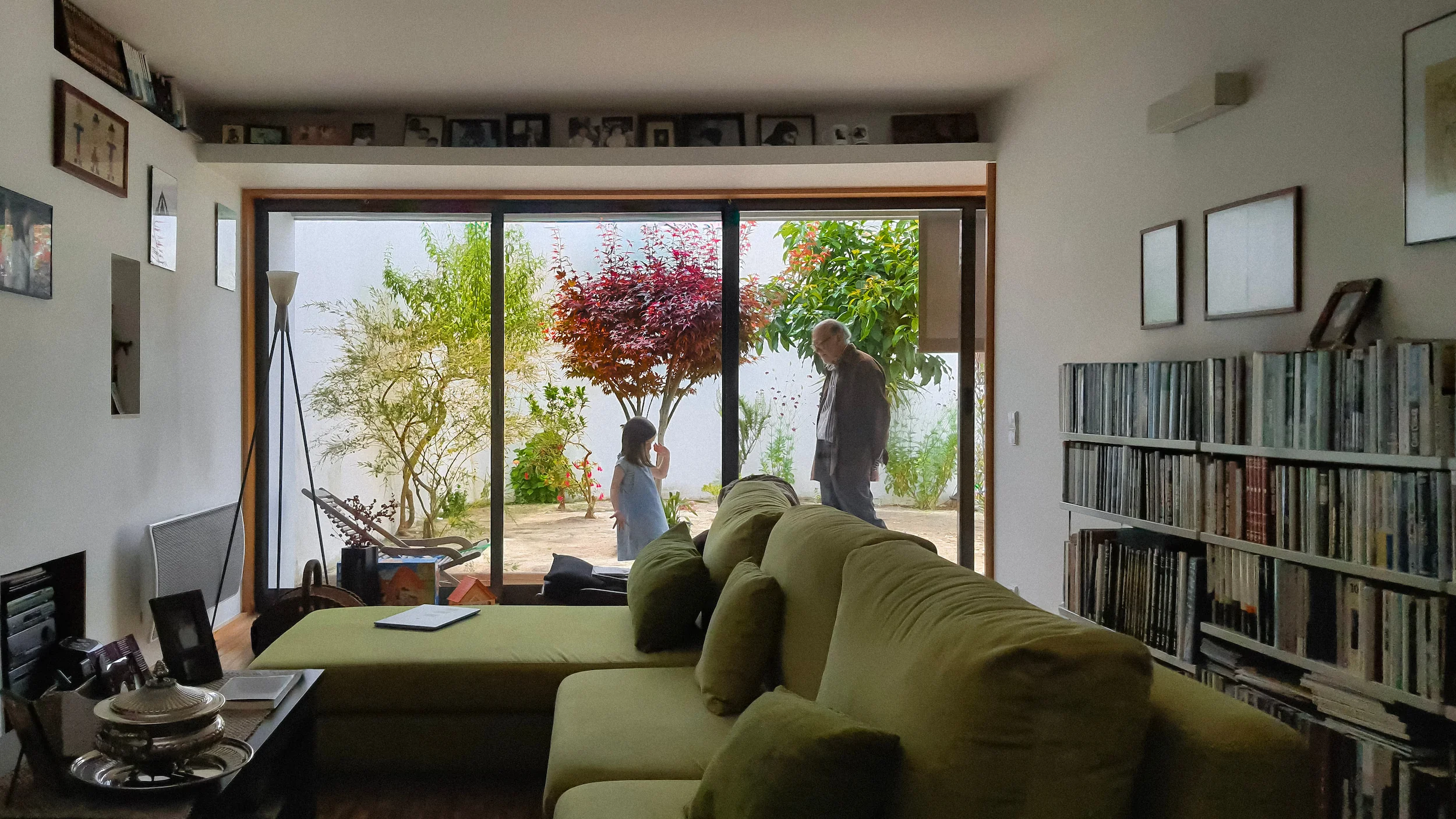
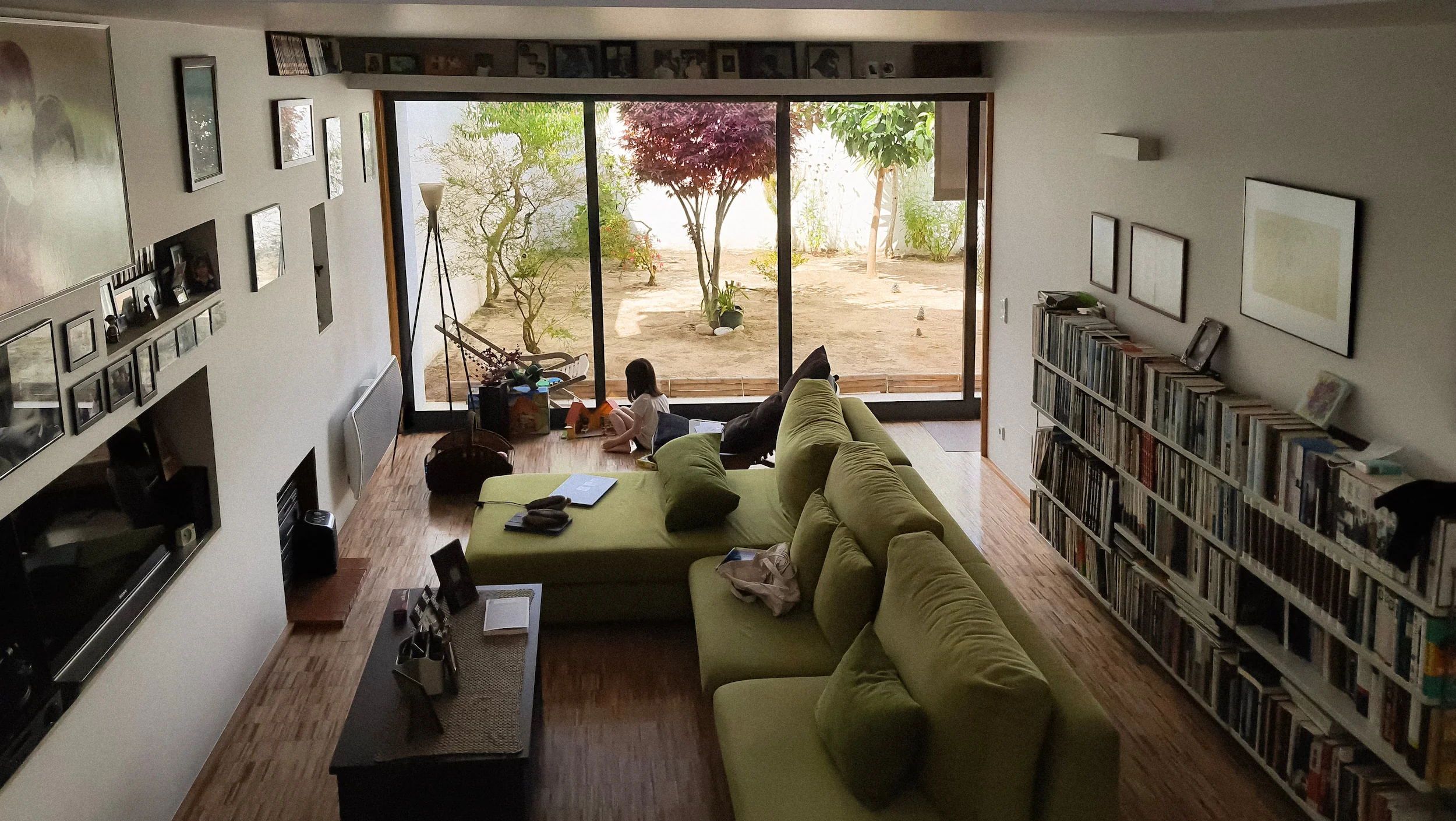
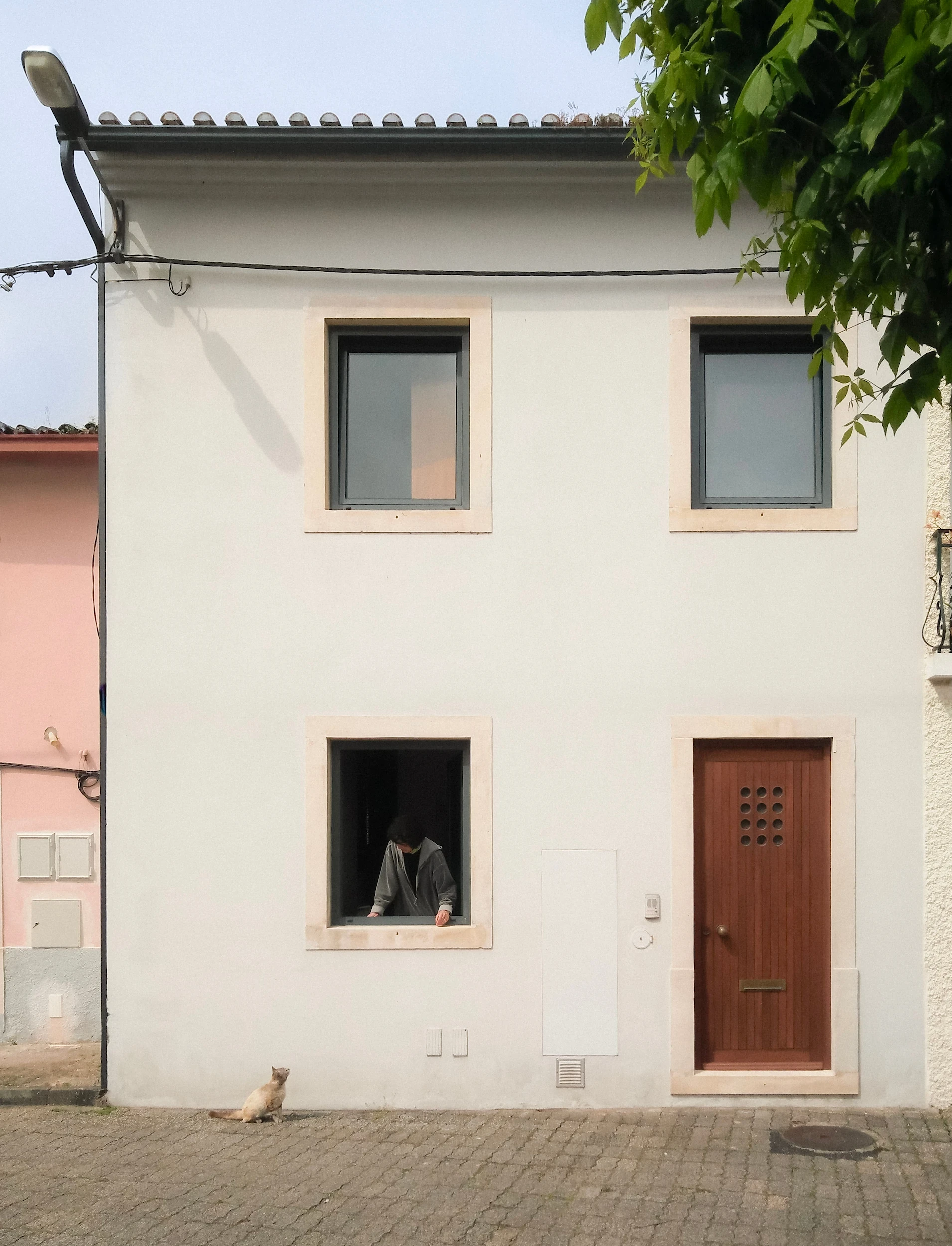
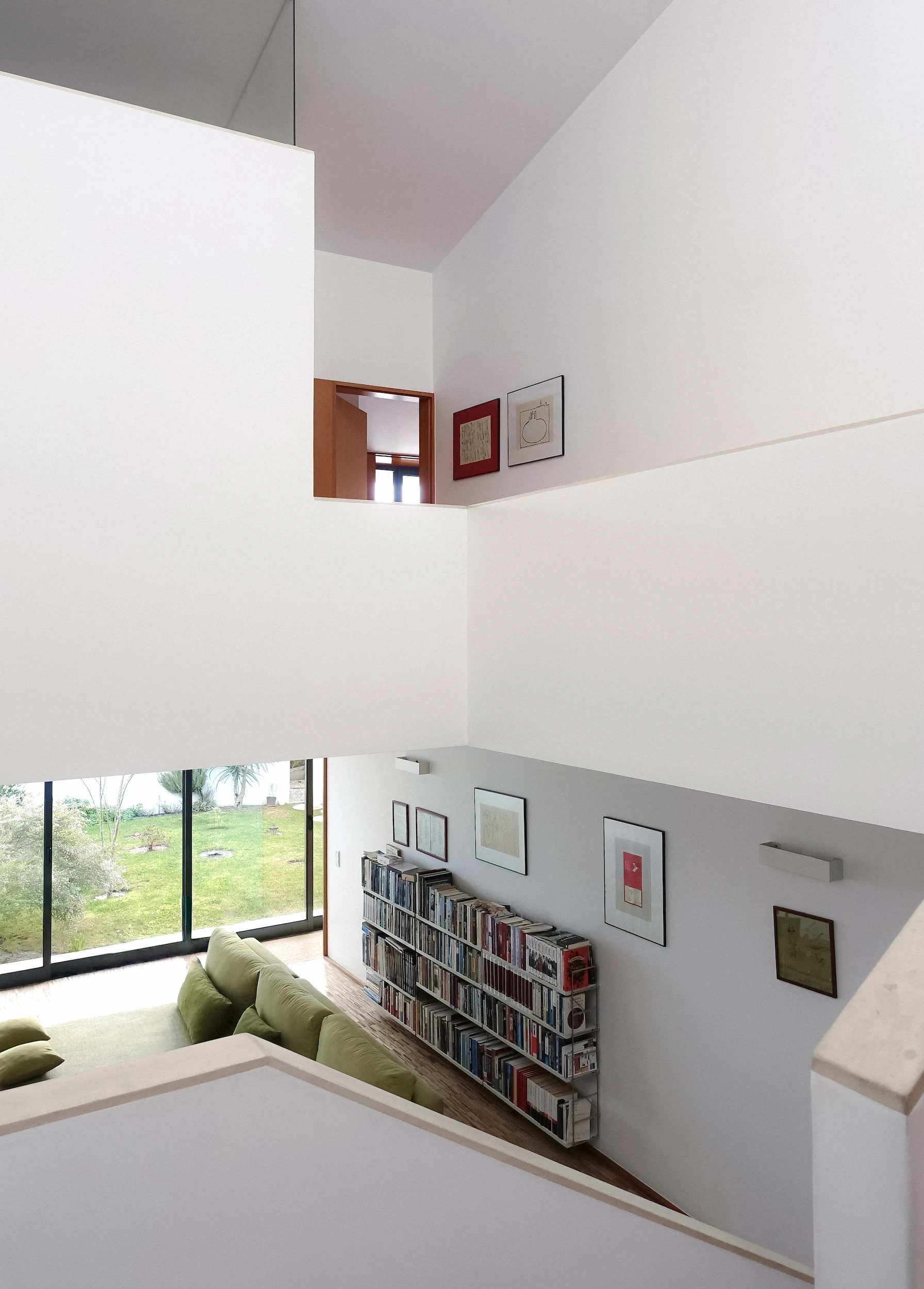
House in Cantanhede
2000-2003 | Parents house reconstruction
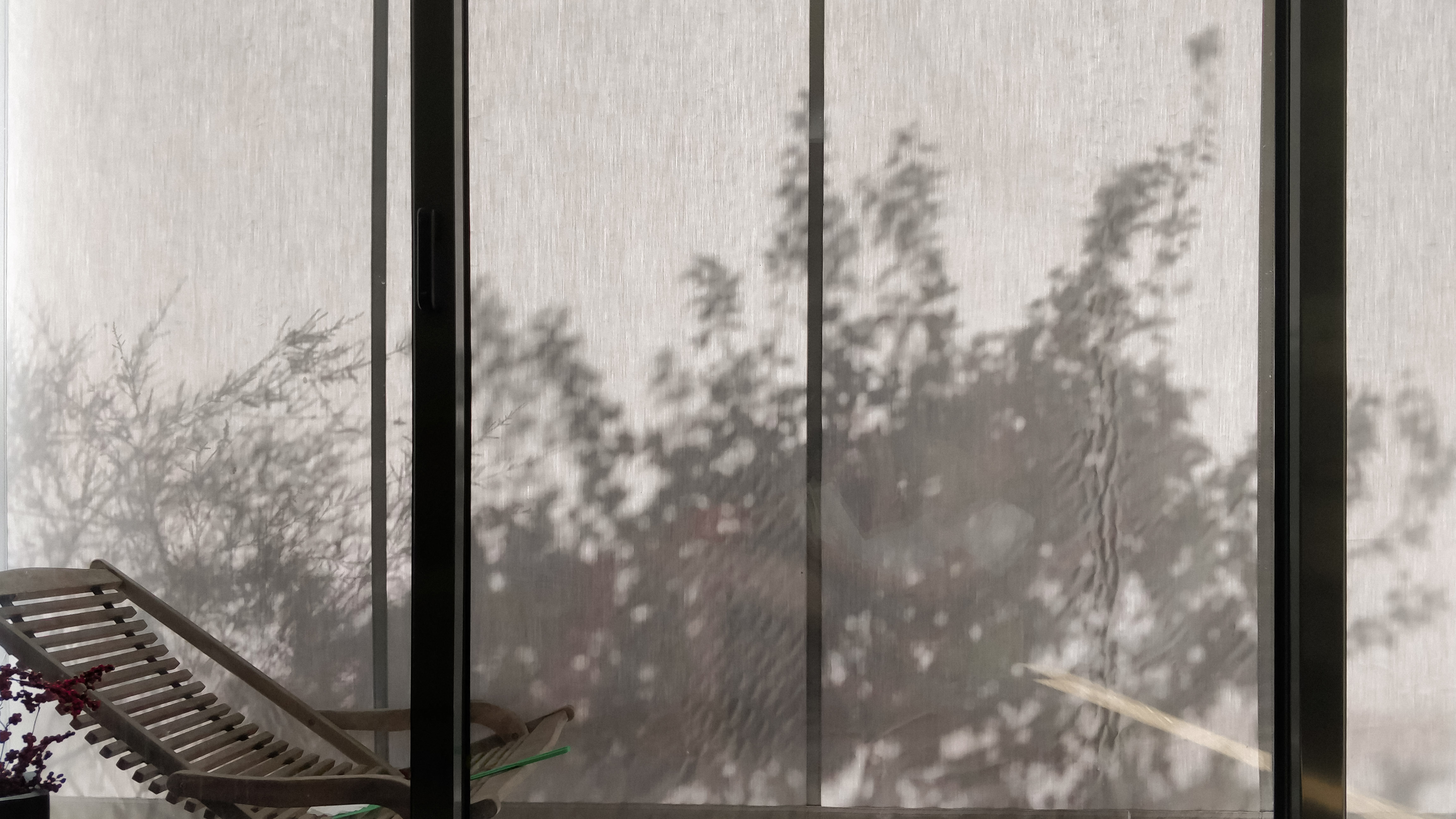
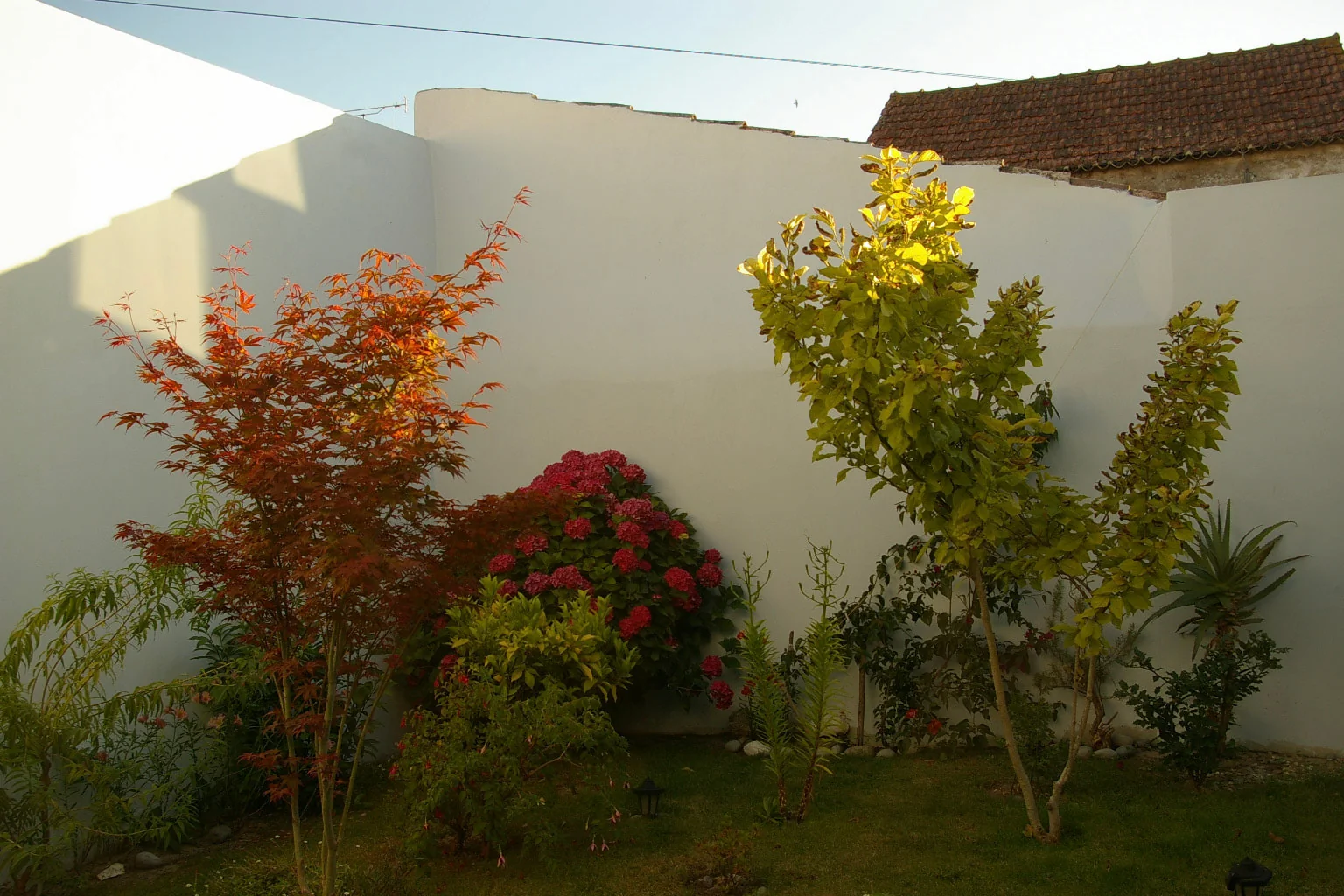
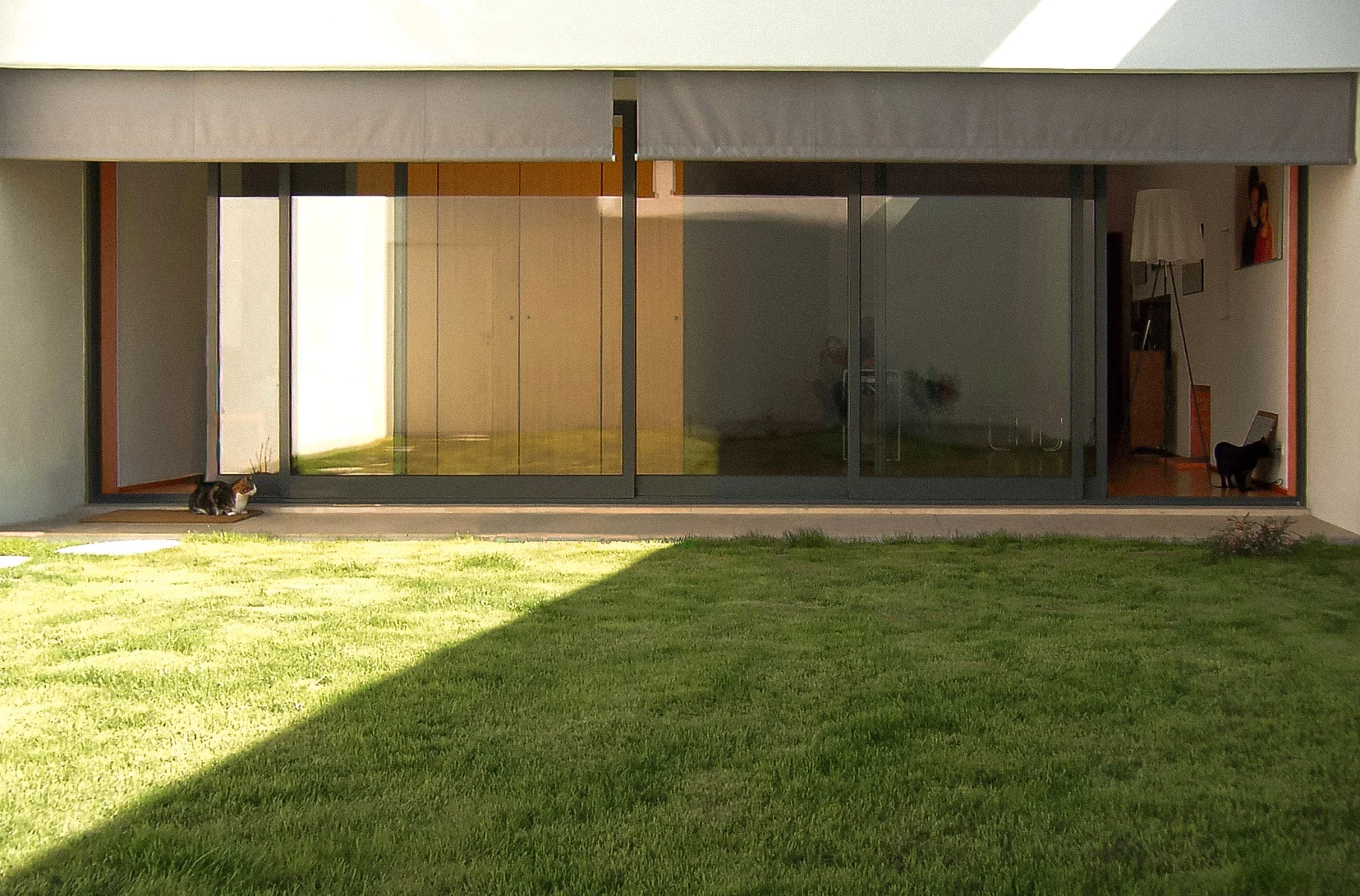
My first significant commission, initiated while I was still completing my diploma. It was a reconstruction of my childhood home, transforming a narrow, compartmented dark structure into a bright, luminous open space for the family.
Leafing through photos reveals a timeline of our lives. You can see the garden’s evolution: from the early magnolia and the planting of the Acer, through the "no grass" phase, to the gigantic avocado tree that now dominates the space.
It brings me immense comfort to recall how happy my parents were here. While life has inevitably changed, my father has passed and my mother is now in care, the house remains a testament to so many different chapters of our lives. Currently lent to a friend. The project is far from closed. I envision returning one day to repurpose tall ceilings into an open studio for large-scale painting and fabrication, I have so many ideas for alterations or upgrades. To be continued!
These selected photos span 20 year of life within the house.
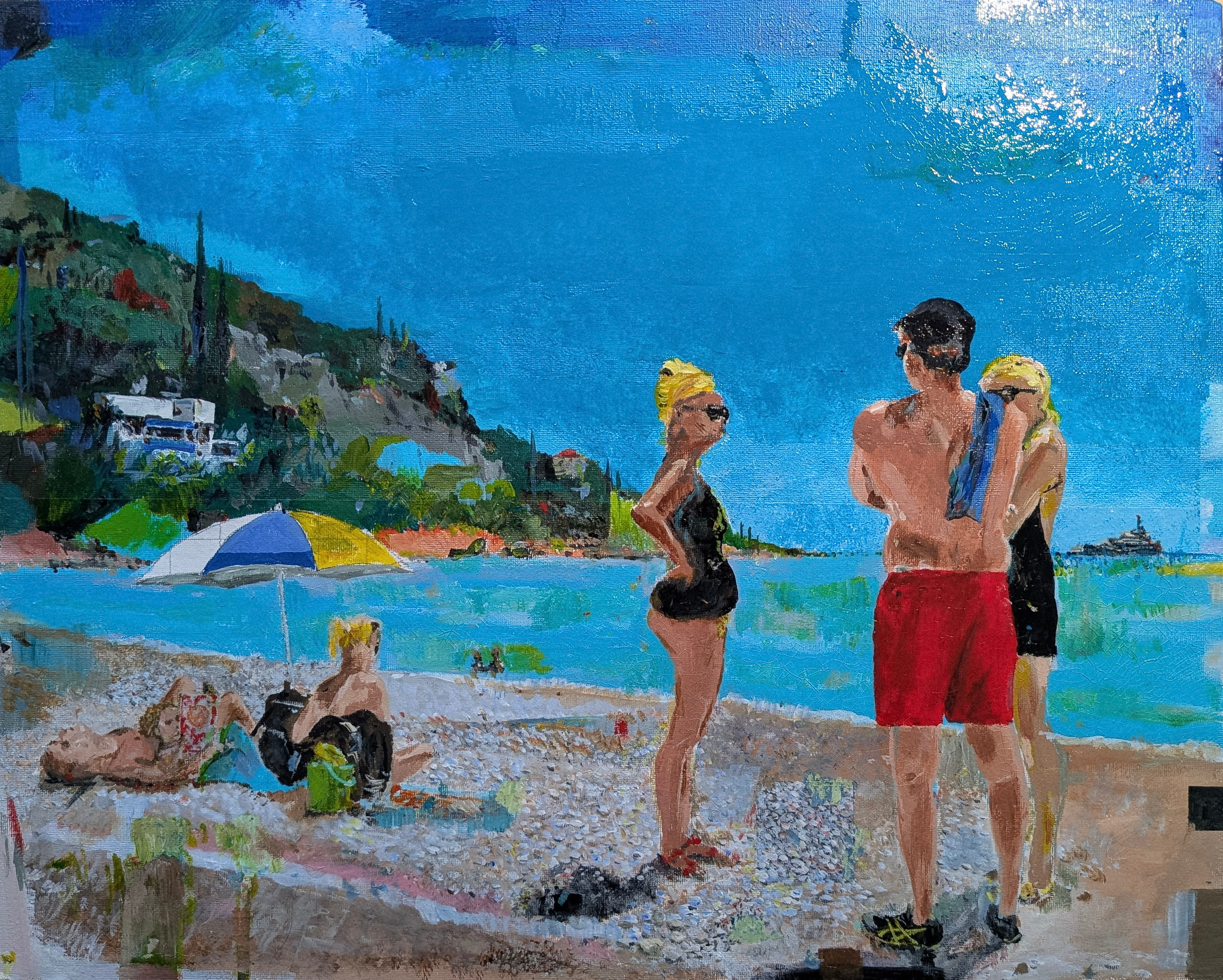
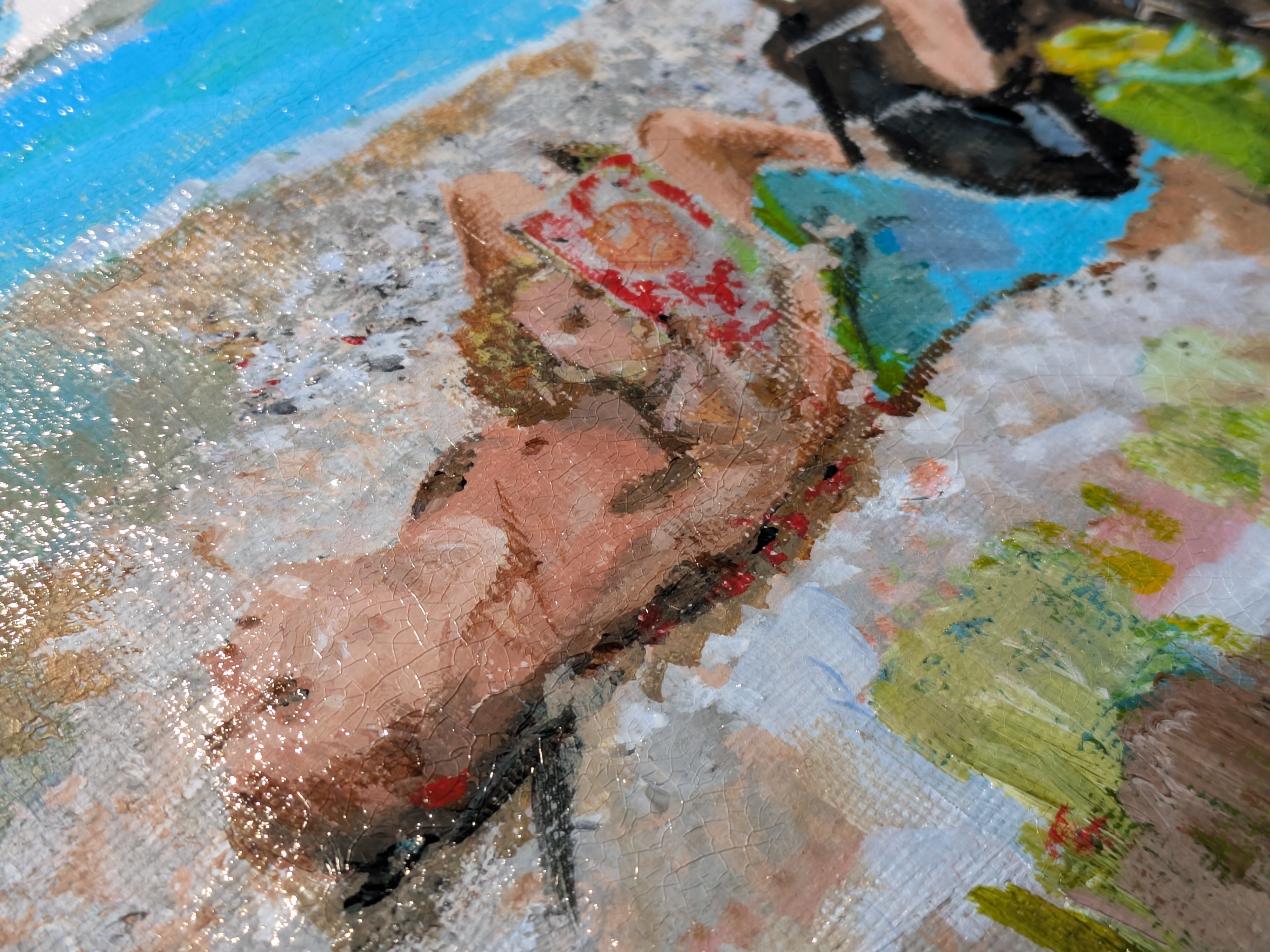
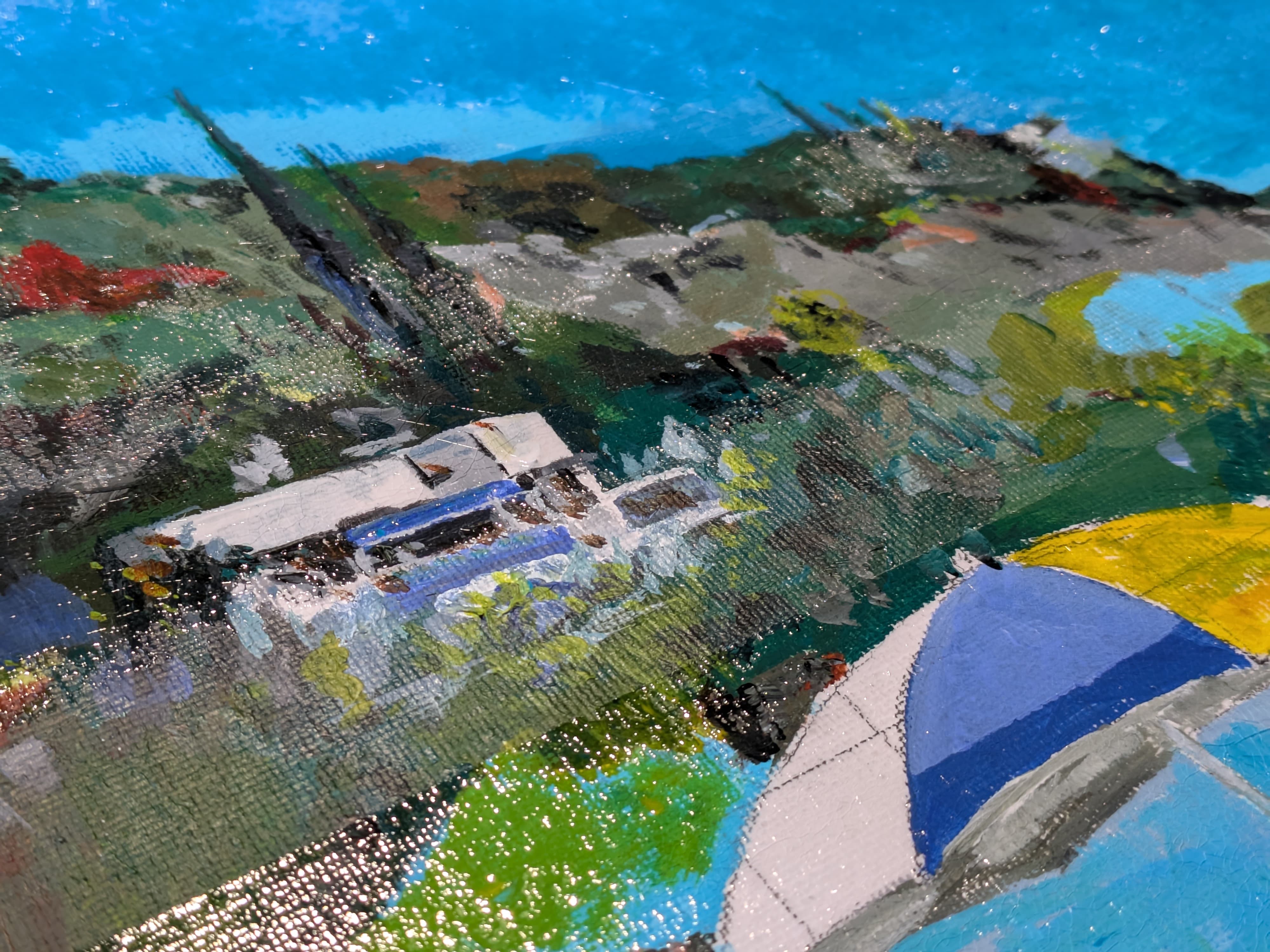
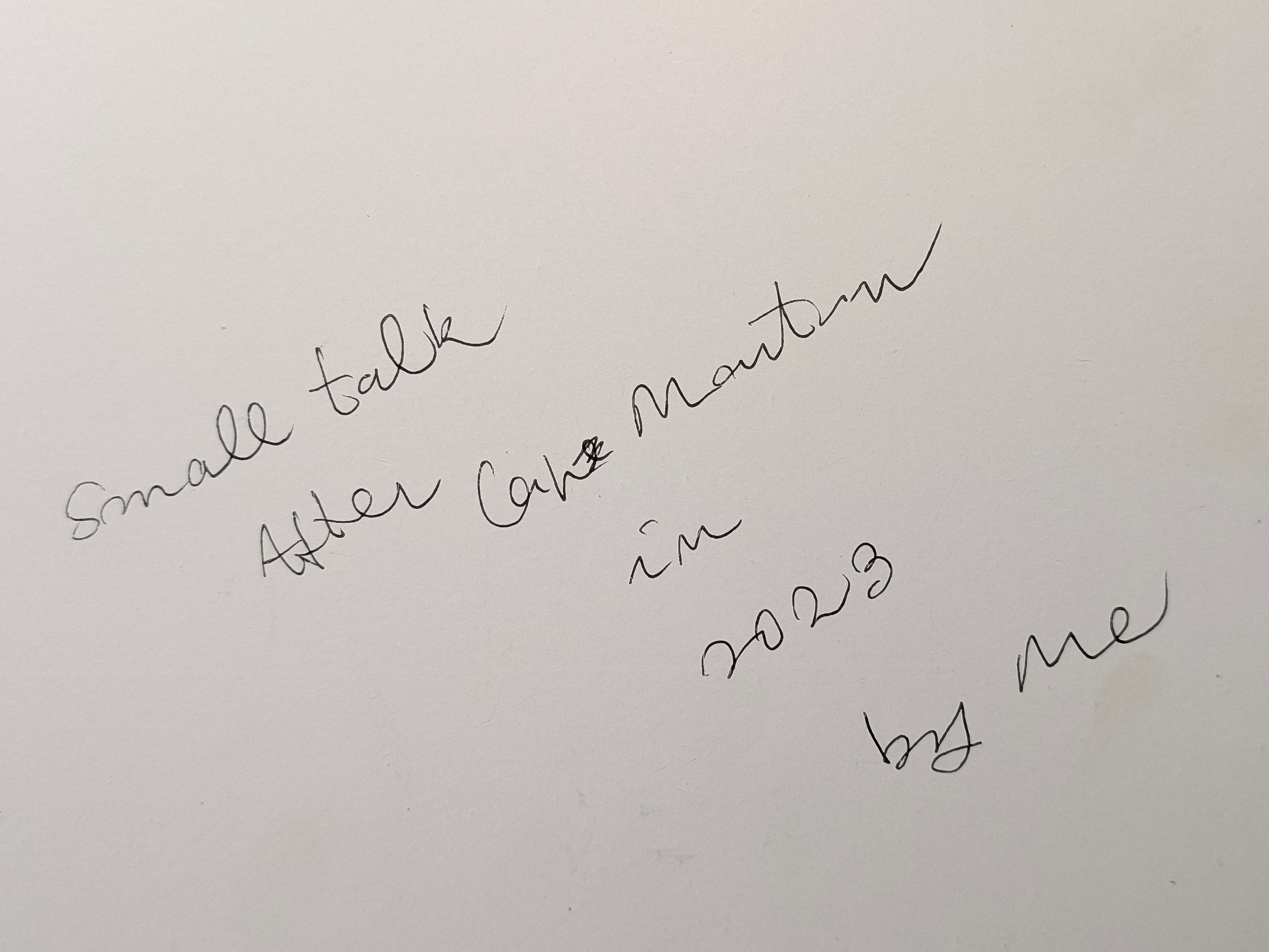
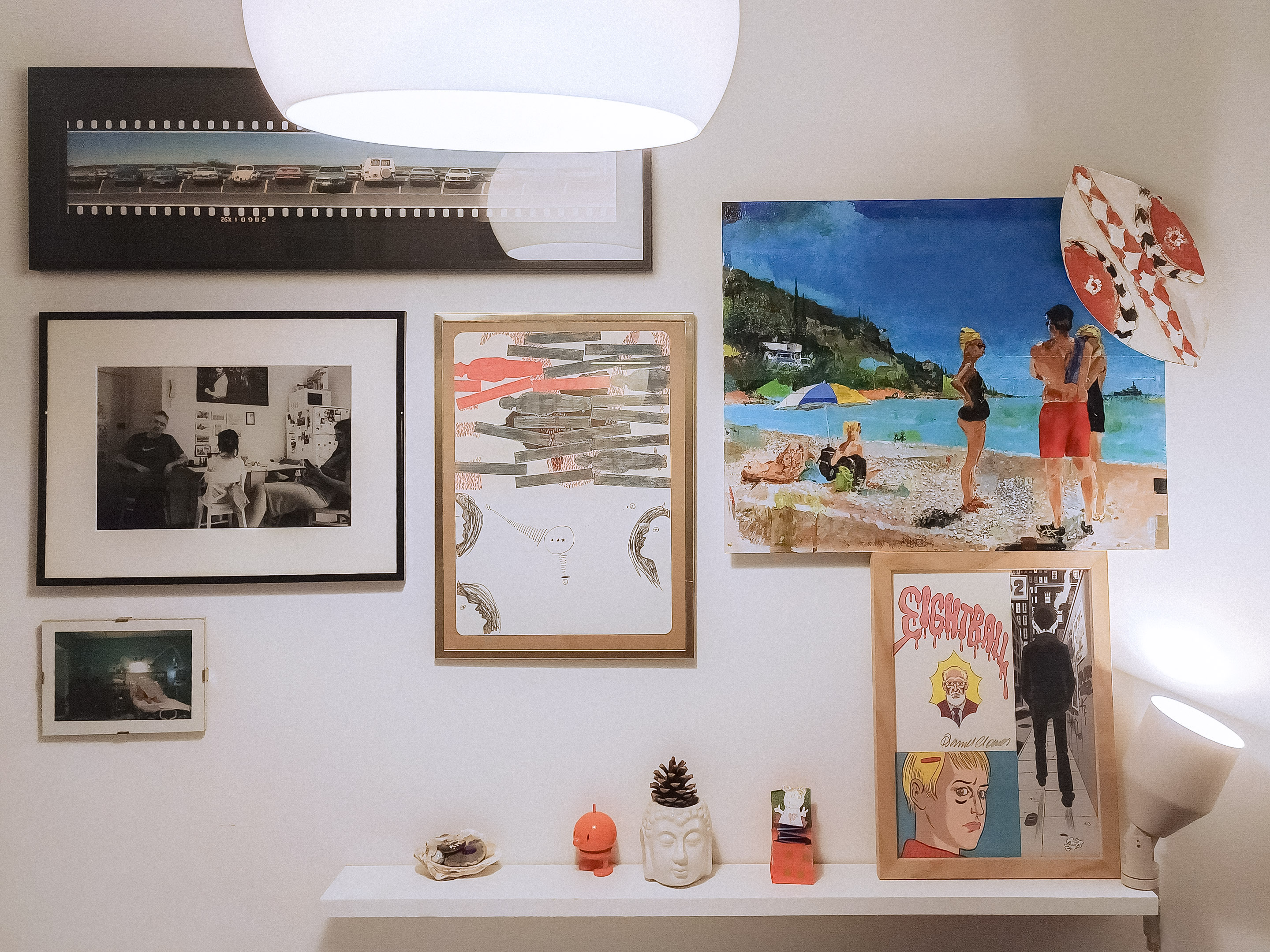
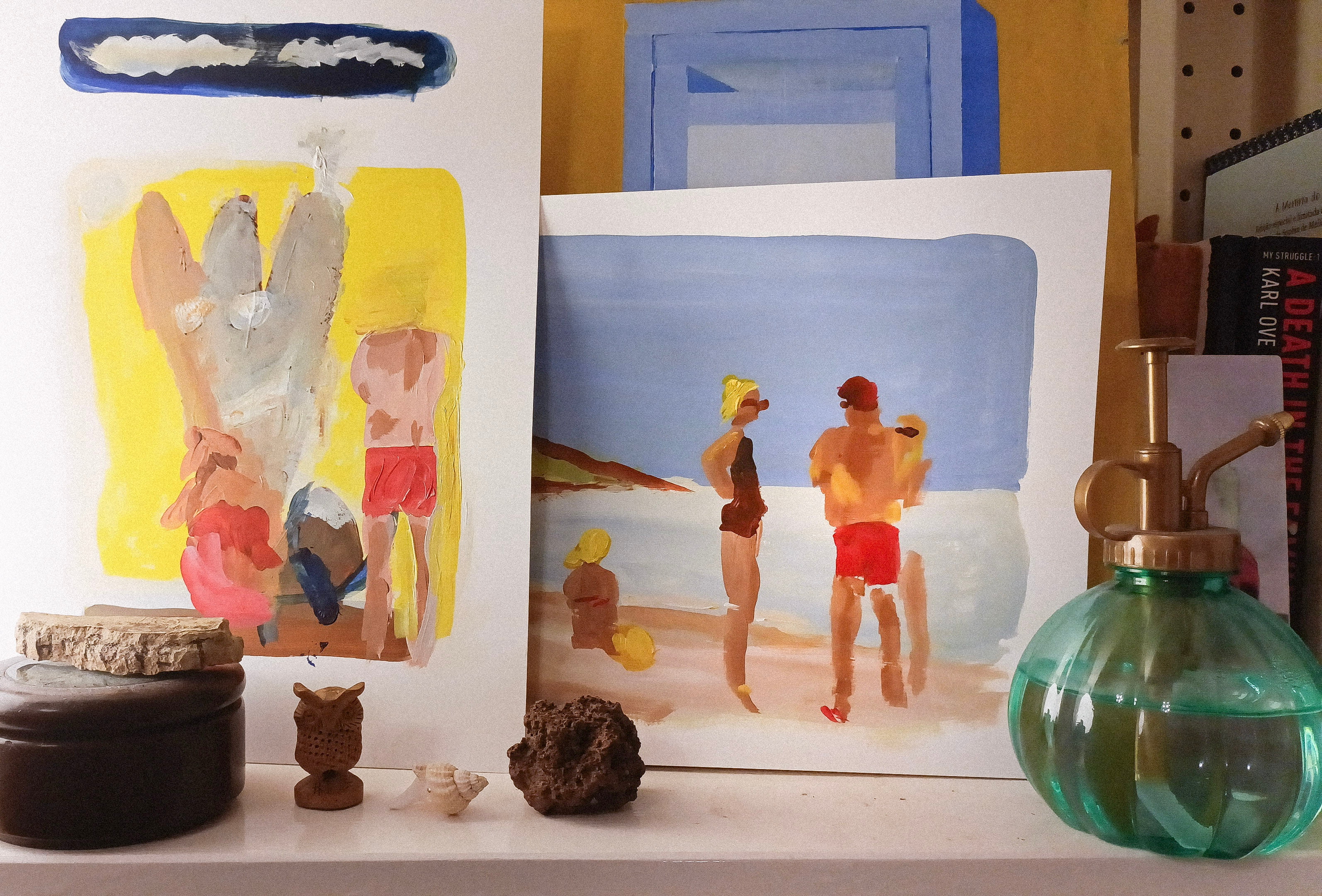
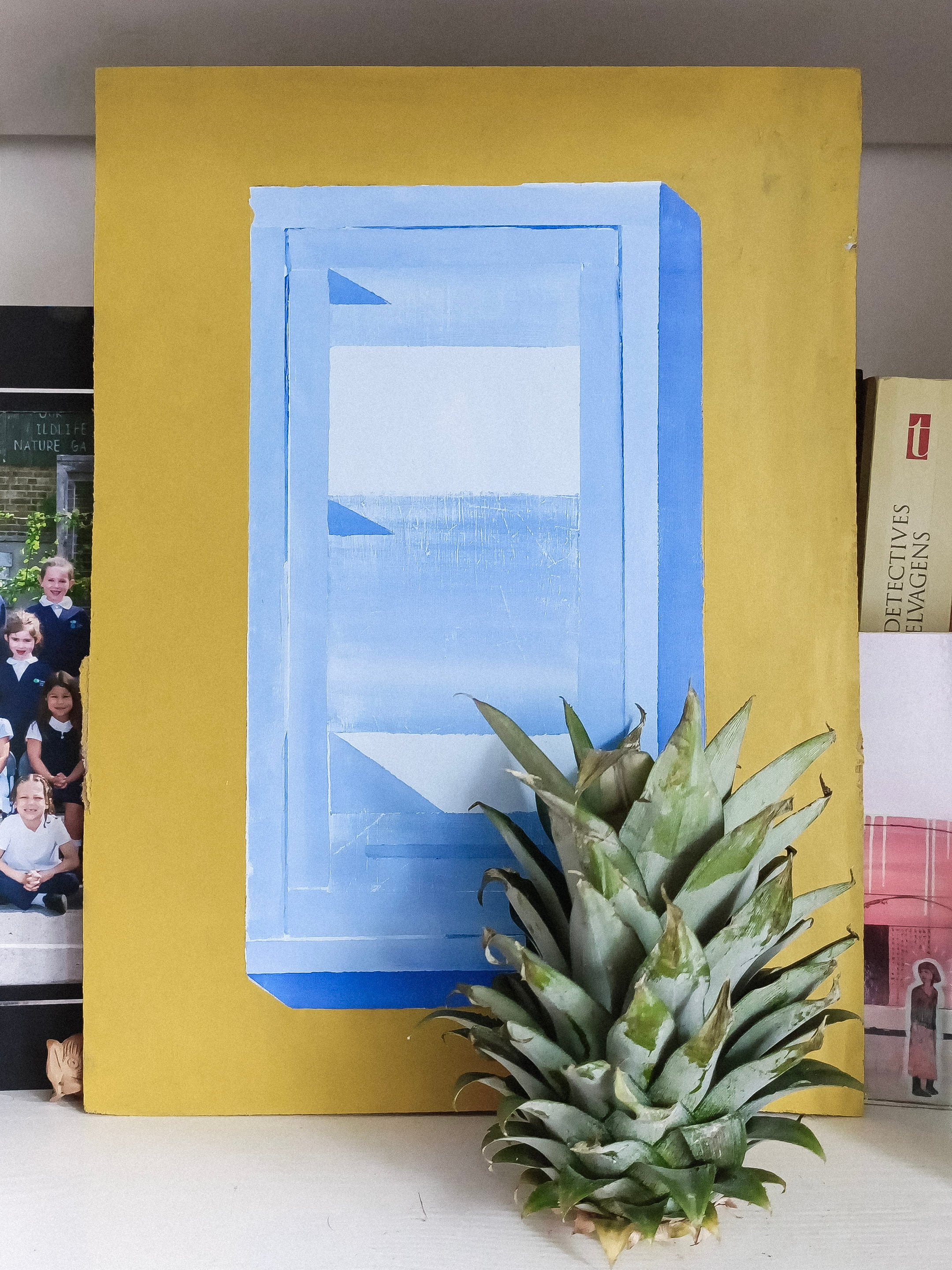
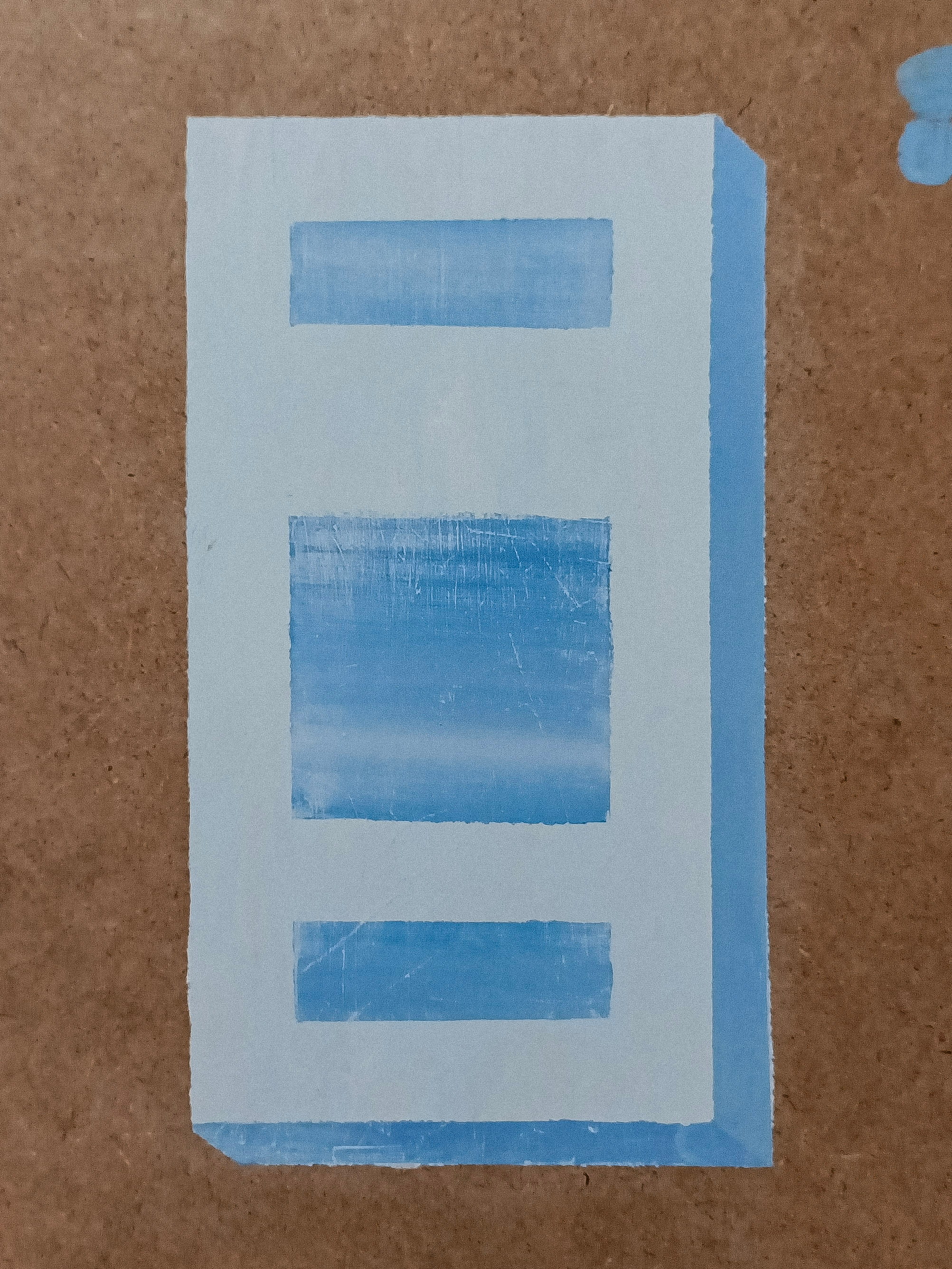
Small Talk after Cape-Martin
2023 Acrylic on canvas board (50.5x40.5cm)
A petite homage following a swim in Roquebrune Bay, shadowed by the stories of Eileen Gray’s E-1027 and Le Corbusier’s Cabanon. The painting attempts to capture a specific spirit: living entirely in the moment, free from the pressure of past or future—a feeling that was abundant in youth but feels sparse today. The painting still holds the peace of that afternoon but it doesn’t capture the exact physics of the sea color it was there, that day.I spent a massive amount of time chasing that unique sea blue, only to conclude that it exists in light, not pigment. Even Yves Klein’s blue seems too dark in comparison.


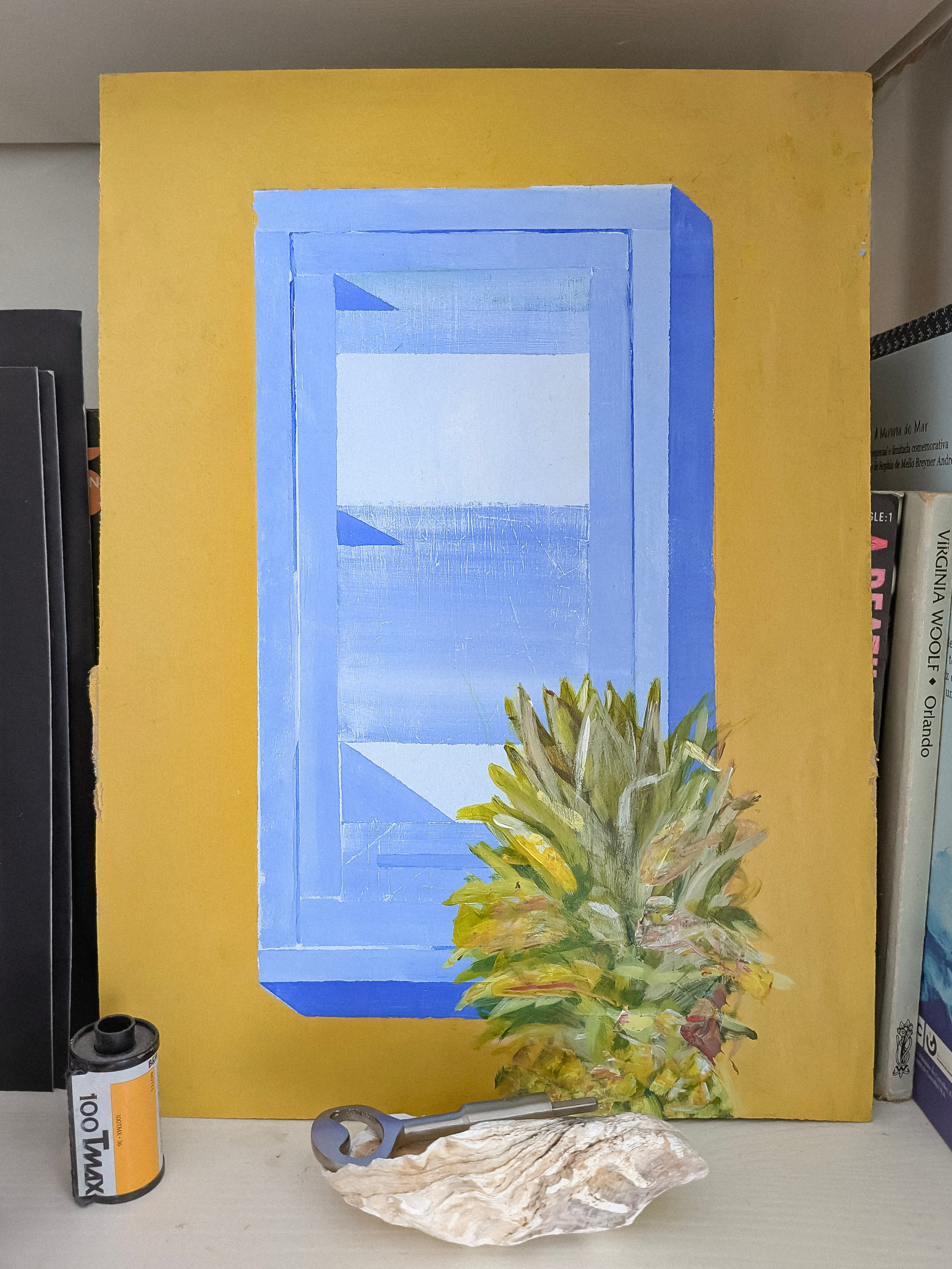
Bestiary apré Paris
2026 Acrylic on canvas board (20x30cm)
One trick I use to keep my daughter and nephews entertained in classical galleries is to have them spot the animals in the paintings. It keeps them moving from room to room, hunting through the frames.
Dogs, cats, or horses are relatively common. Cows are slightly scarcer. You might spot a few monkeys and birds shown as exotic pets. Lions are fairly common, but mostly as symbolic representations in ornamental engravings or small sculptures on chairs, table clocks, and porcelain rather than natural portraits. Monkeys are common in the Asian sections. Zebras and giraffes are almost impossible to find.
The reasons are obvious. These paintings were portraits of their time, and zoo animals were simply unknown. They were not pets, and painters could not stand next to them to replicate their likeness.
For reasons I have only recently started assigning meaning to, I have always liked putting relaxed wild animals into everyday contexts. I have quite a few drawings of kangaroos standing next to me or in front of petrol stations, also giraffes that are my favourite. I have drawn hippos and rhinos in front of buildings in various settings. Some serenity comes to my mind.
This picture is a memory collage from the Hunting Museum - Le Musée de la Chasse - in Paris, with that giant stuffed polar bear standing next to us.
My daughter and cousin meticulously checked every section looking for a cow. I was unfair in not telling them that cows were not hunted beasts. Polar bears, however, were.
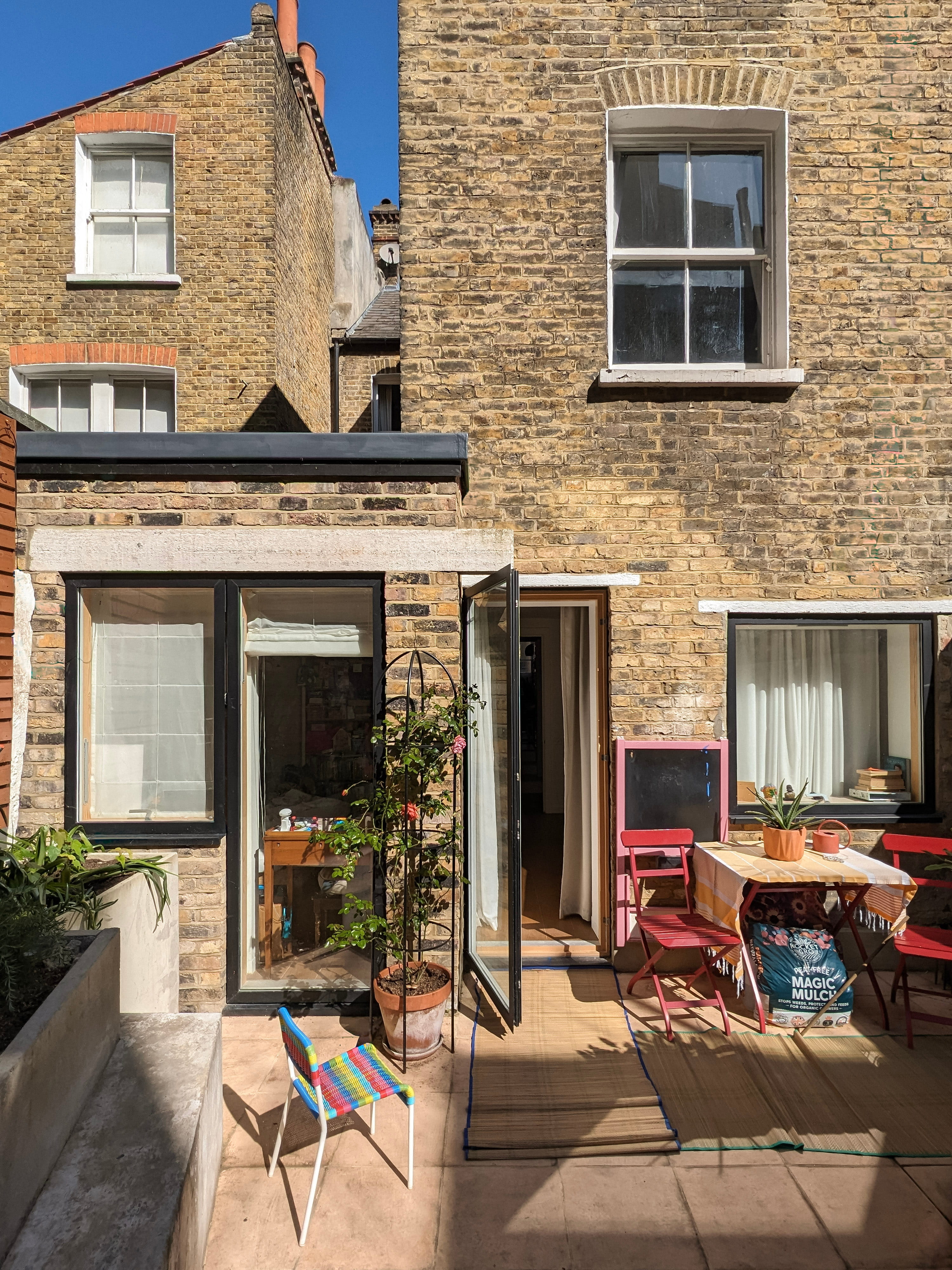
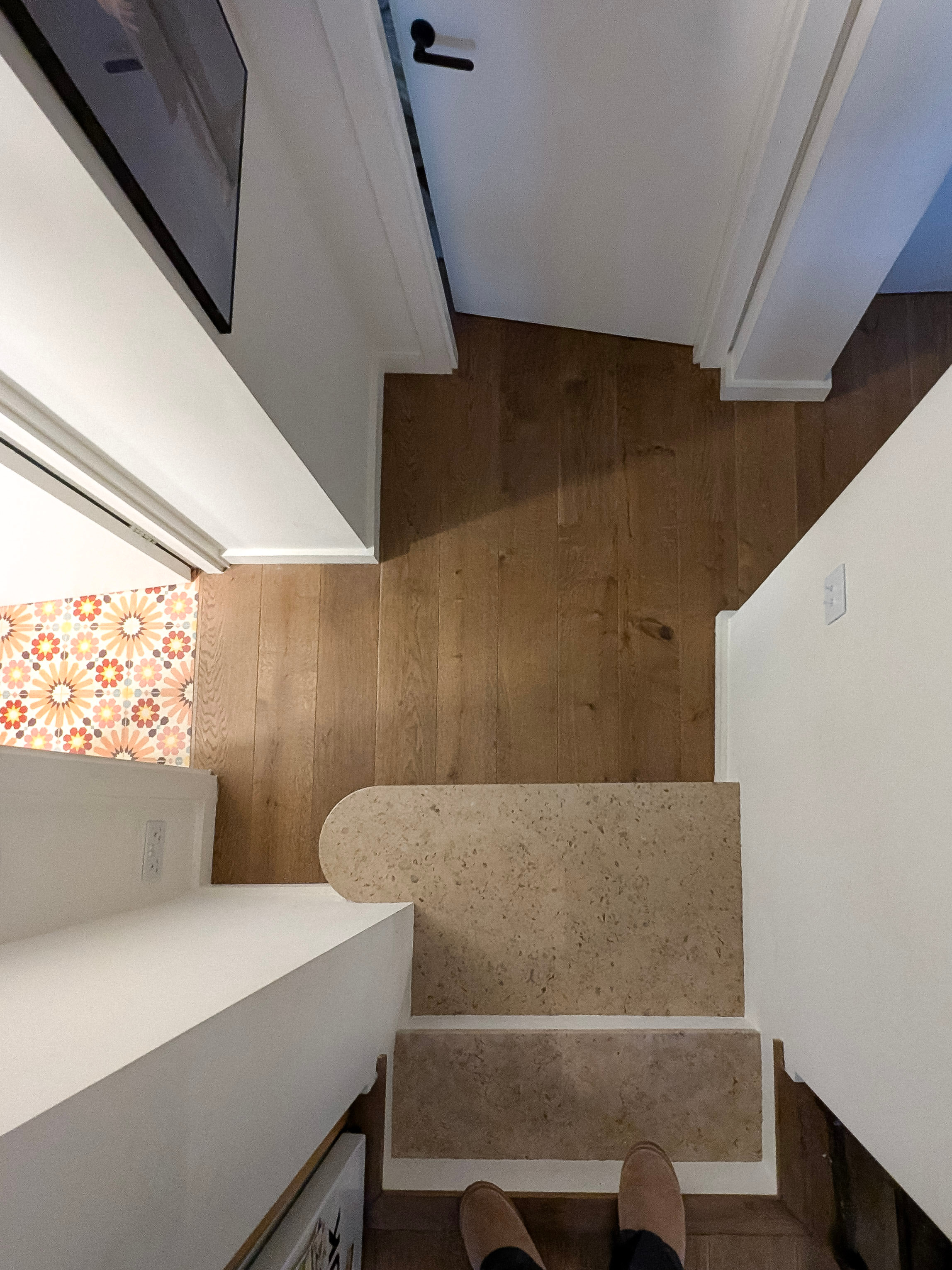
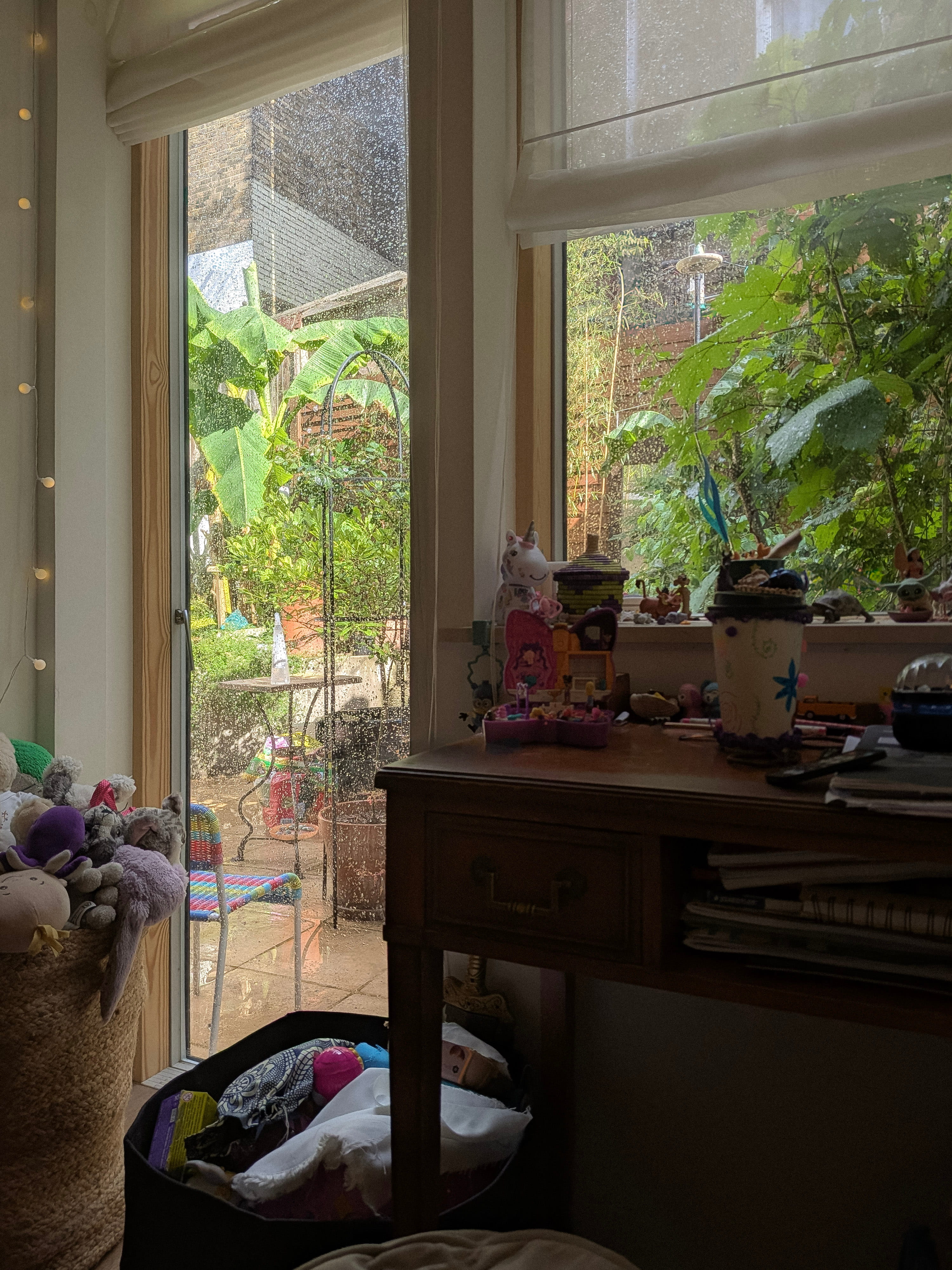
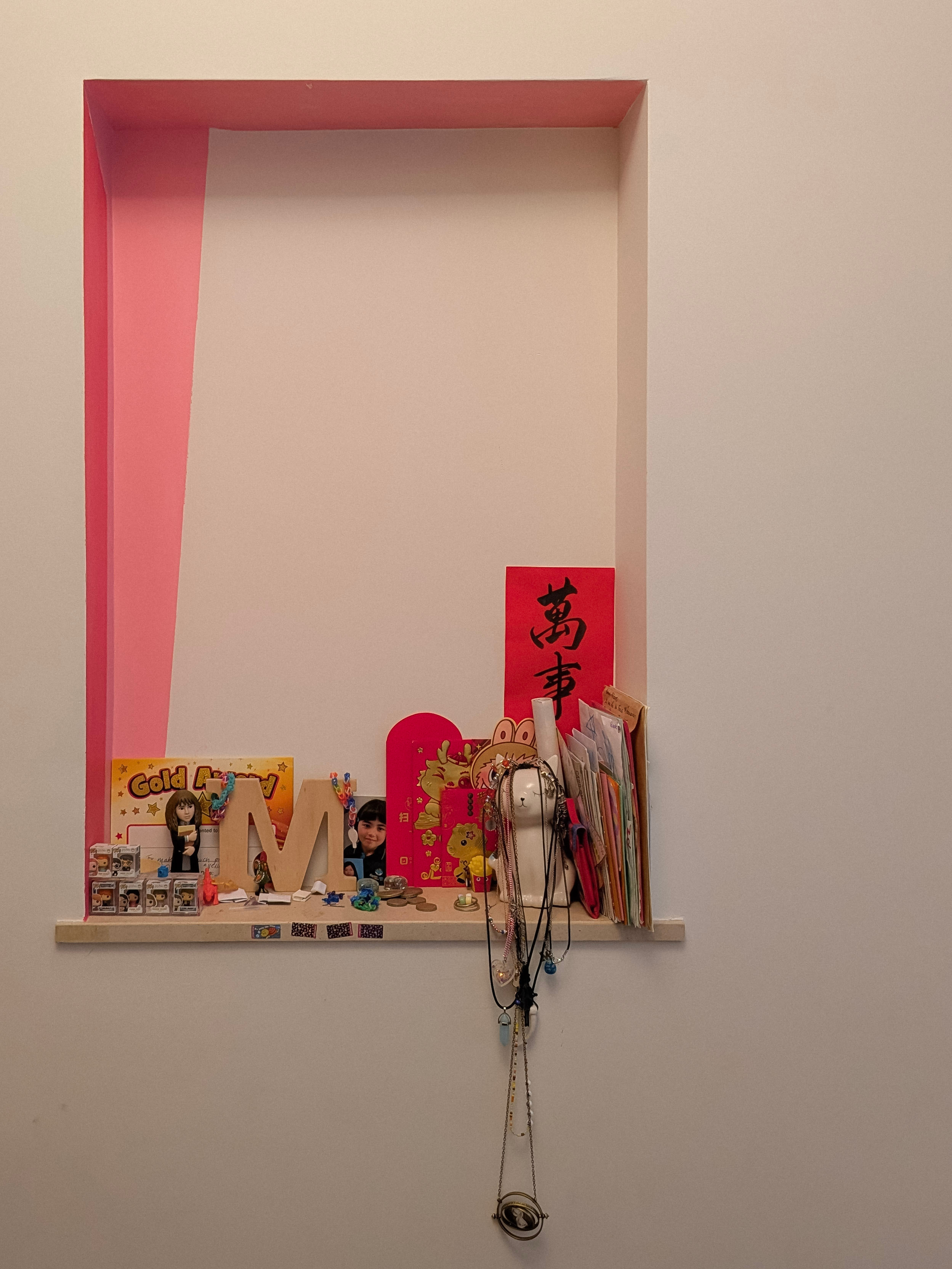
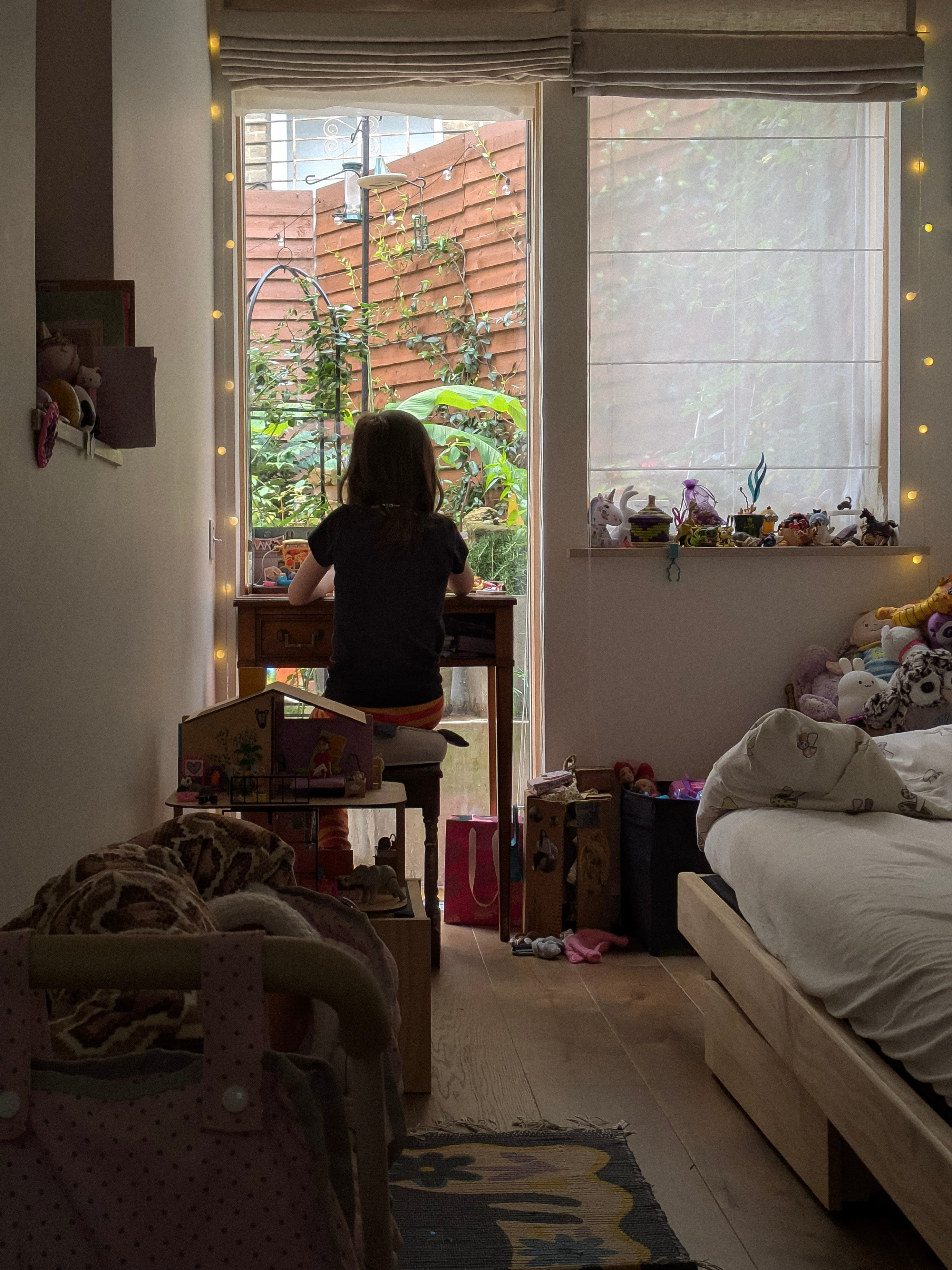
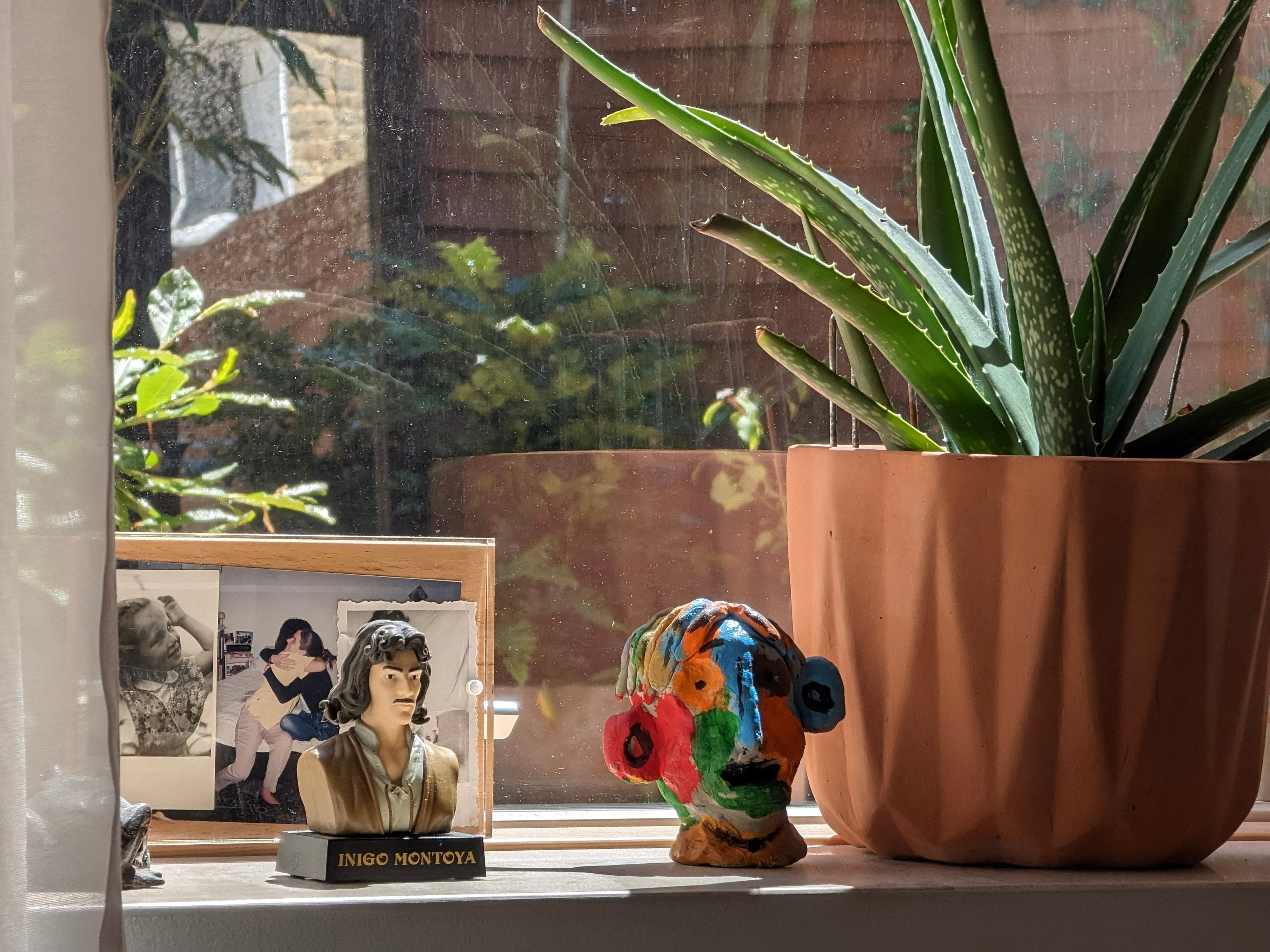
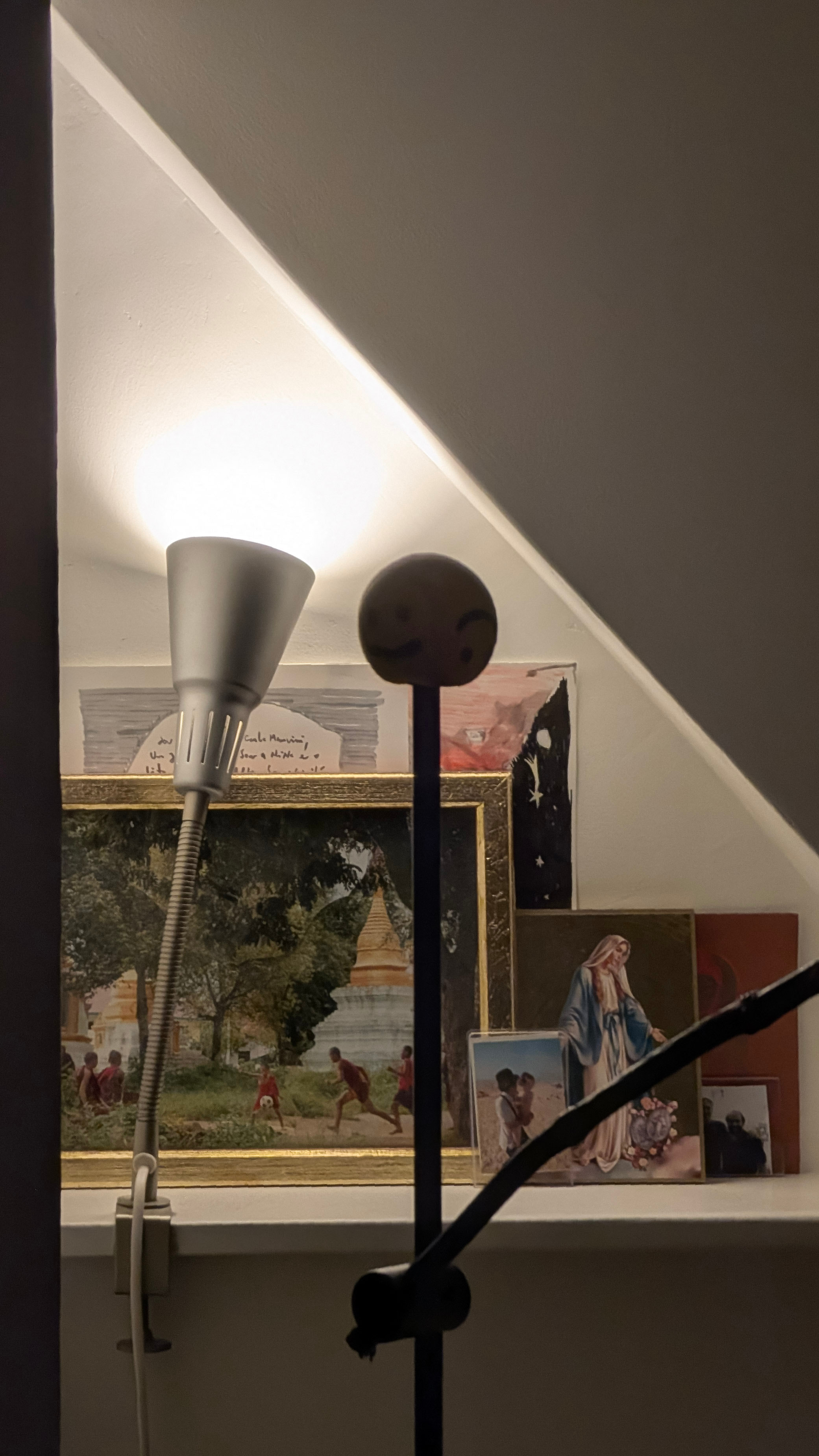
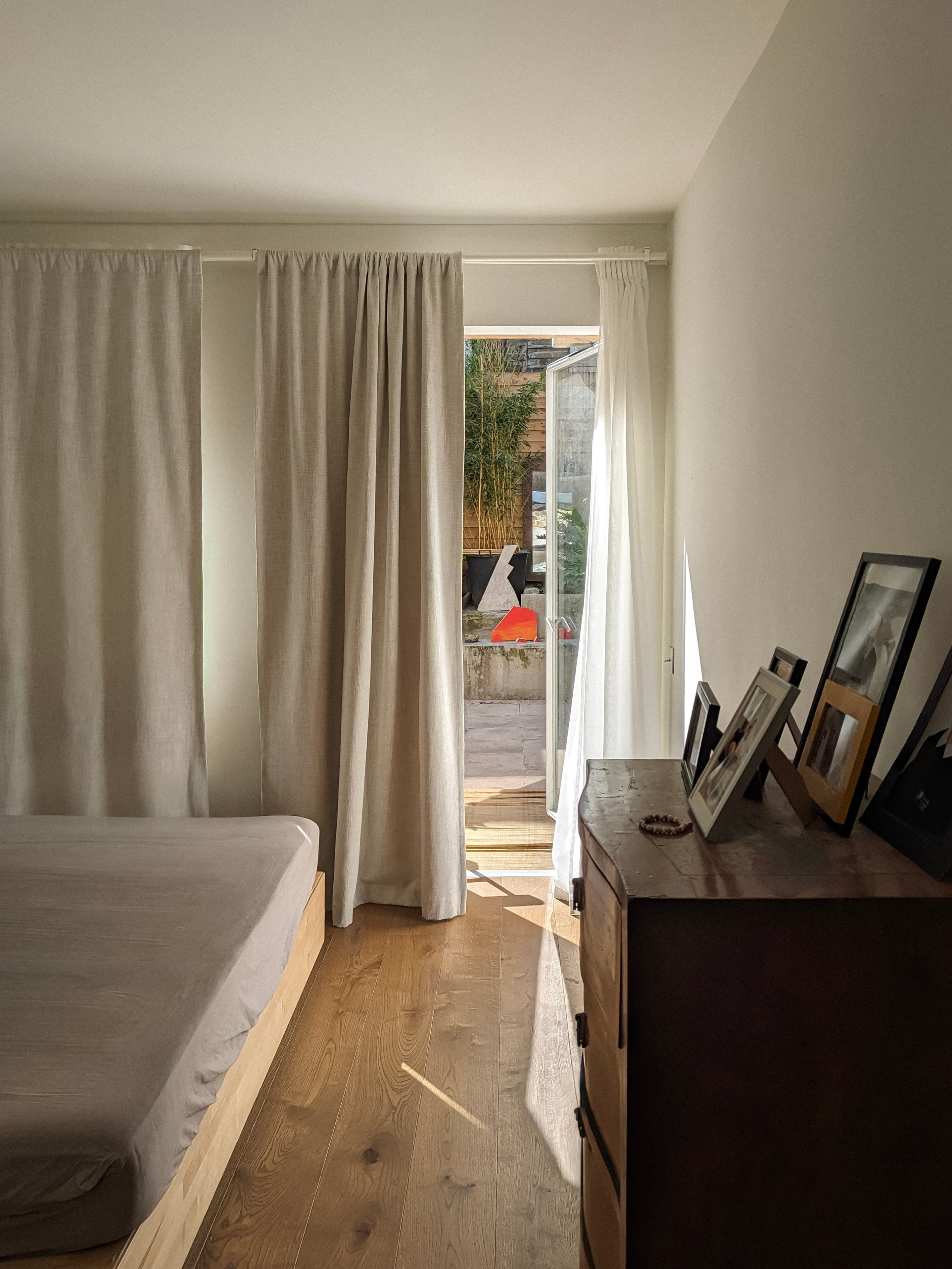
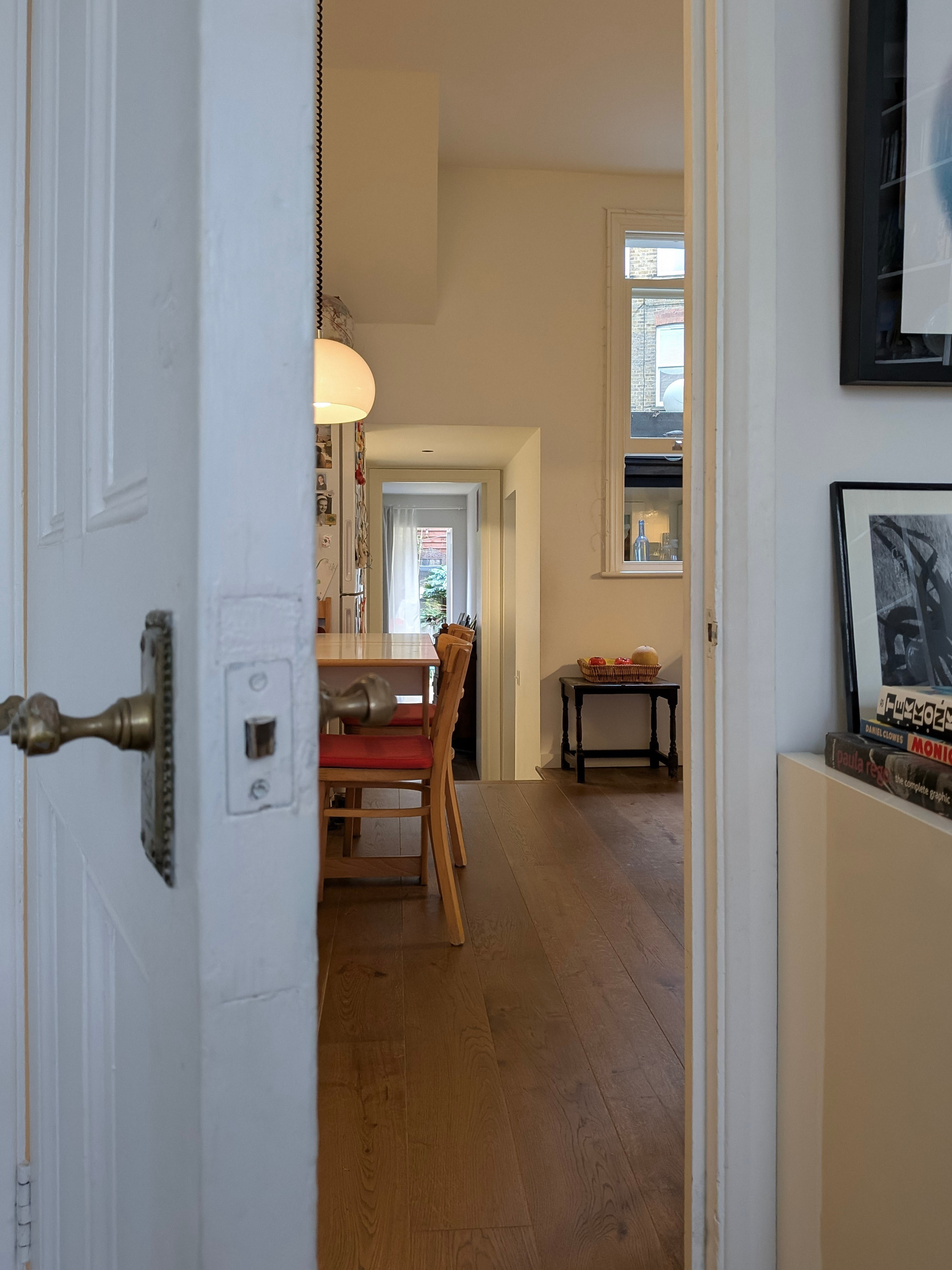
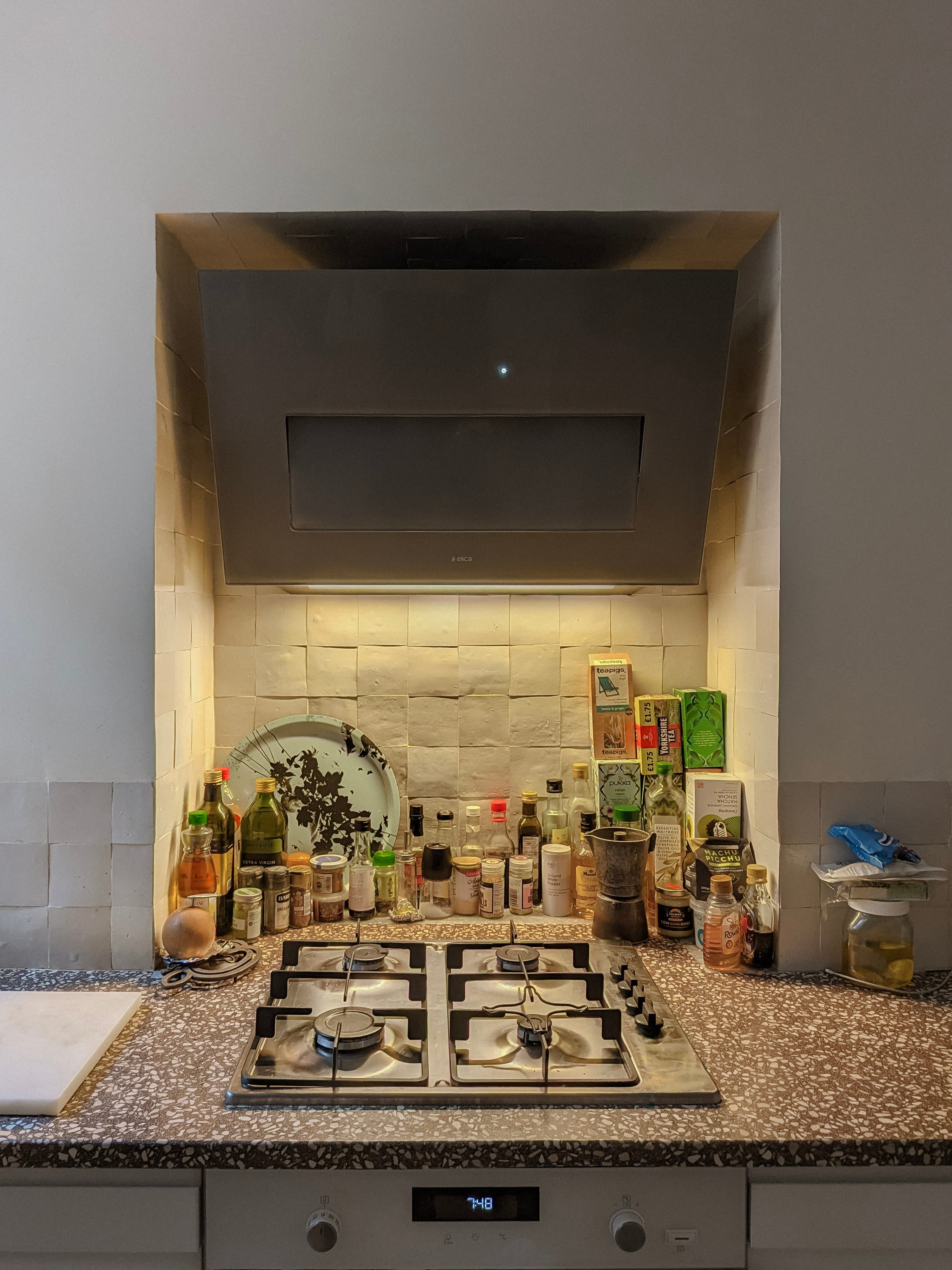
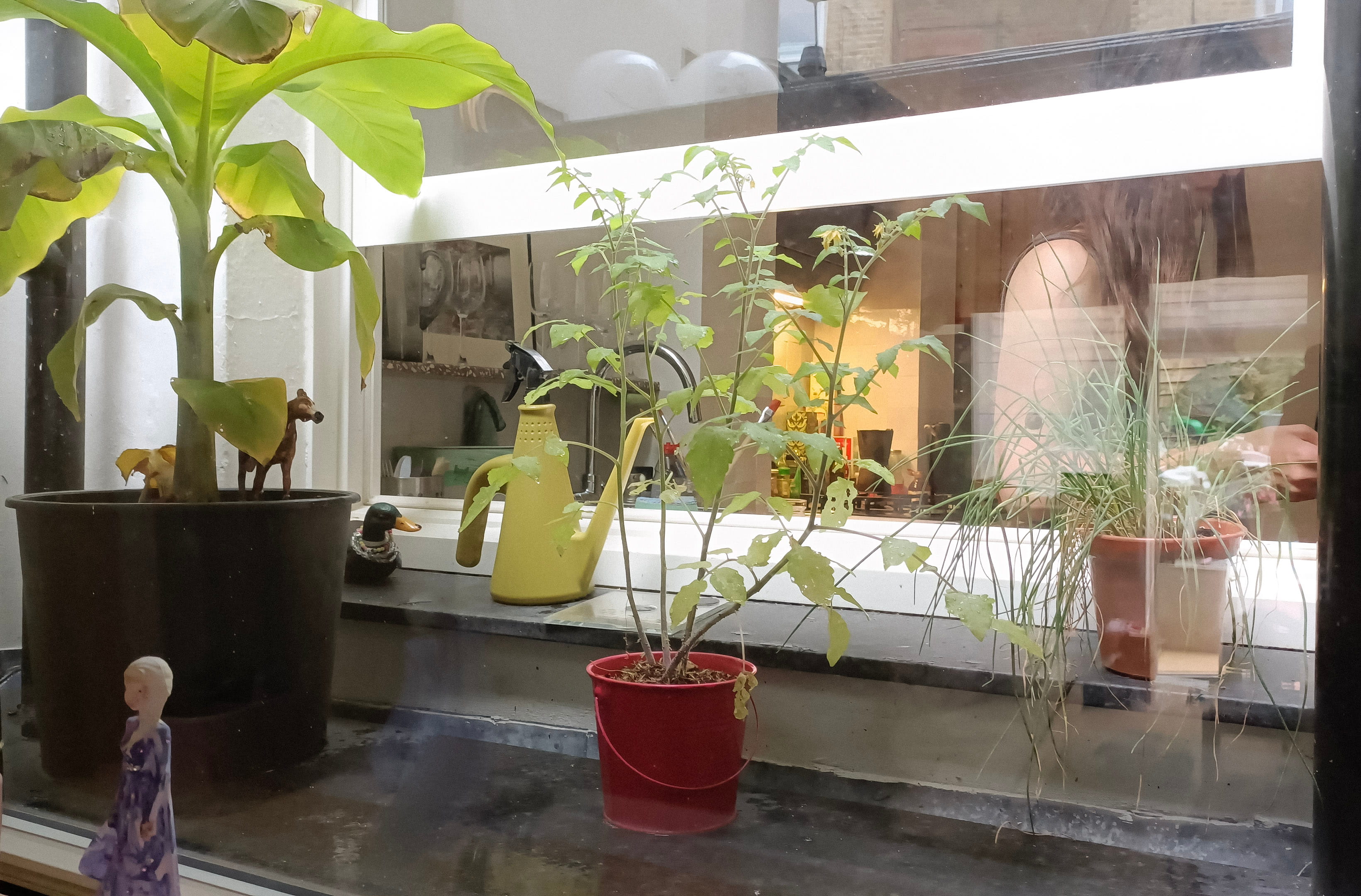
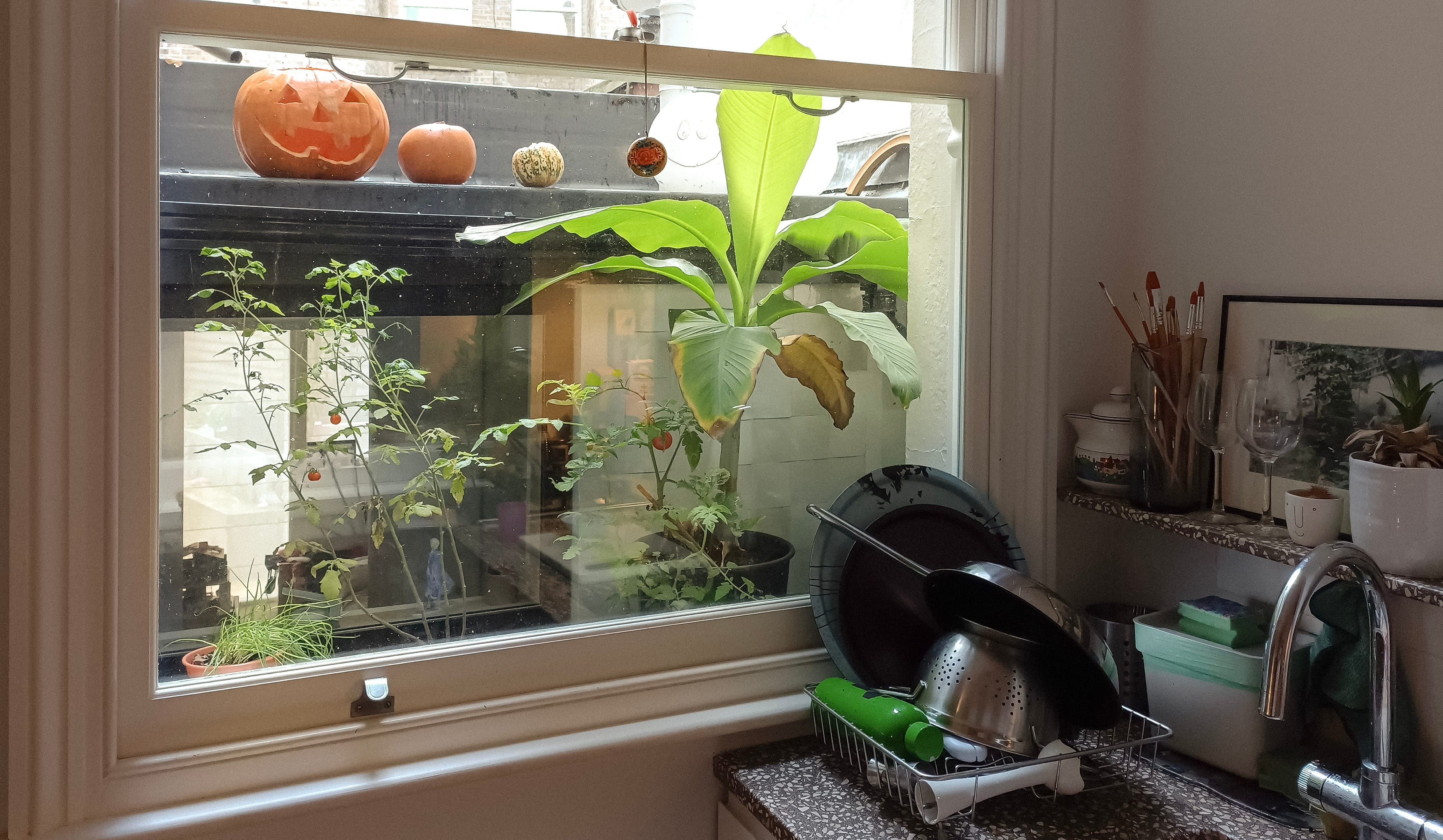
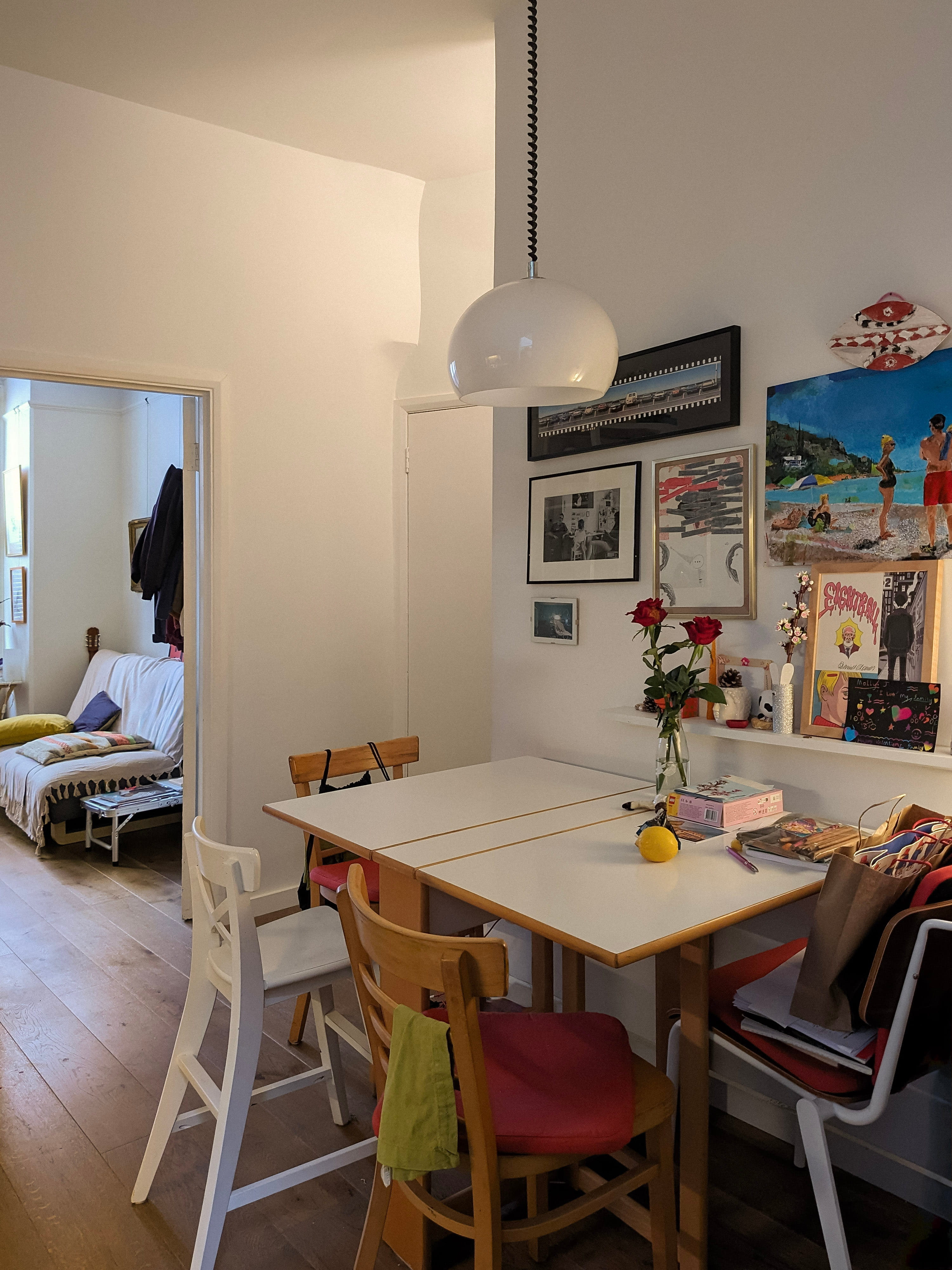
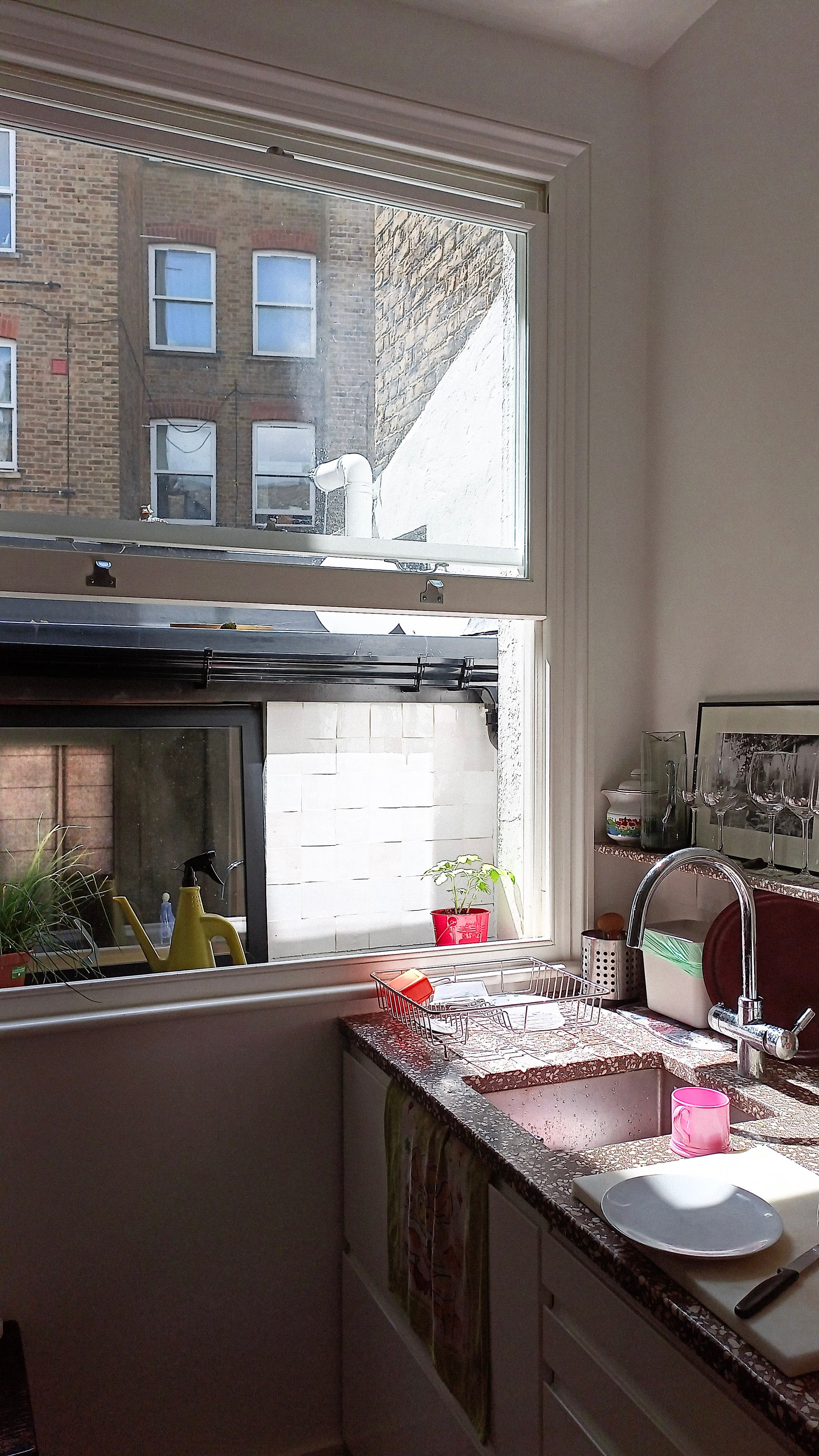
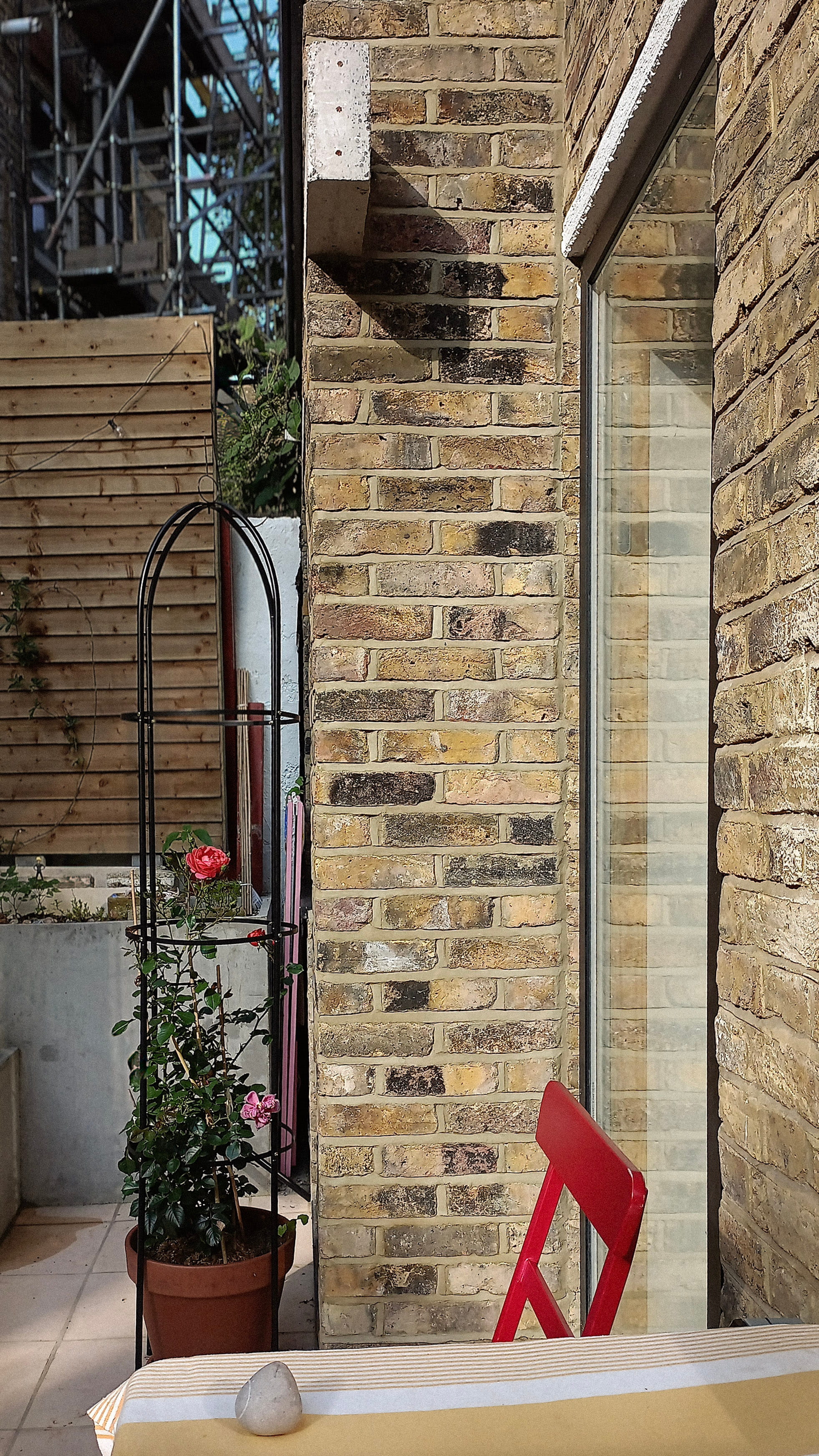
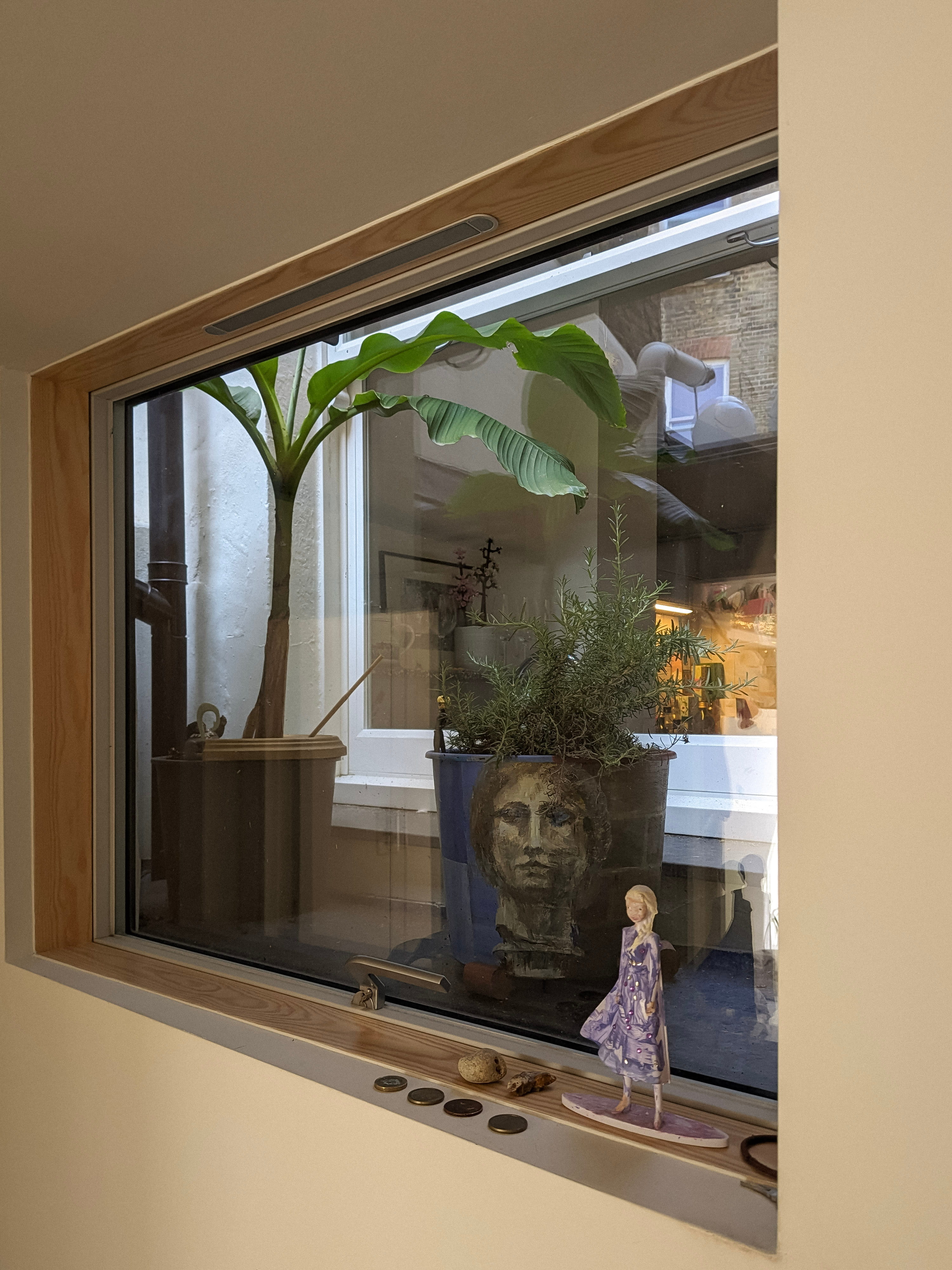
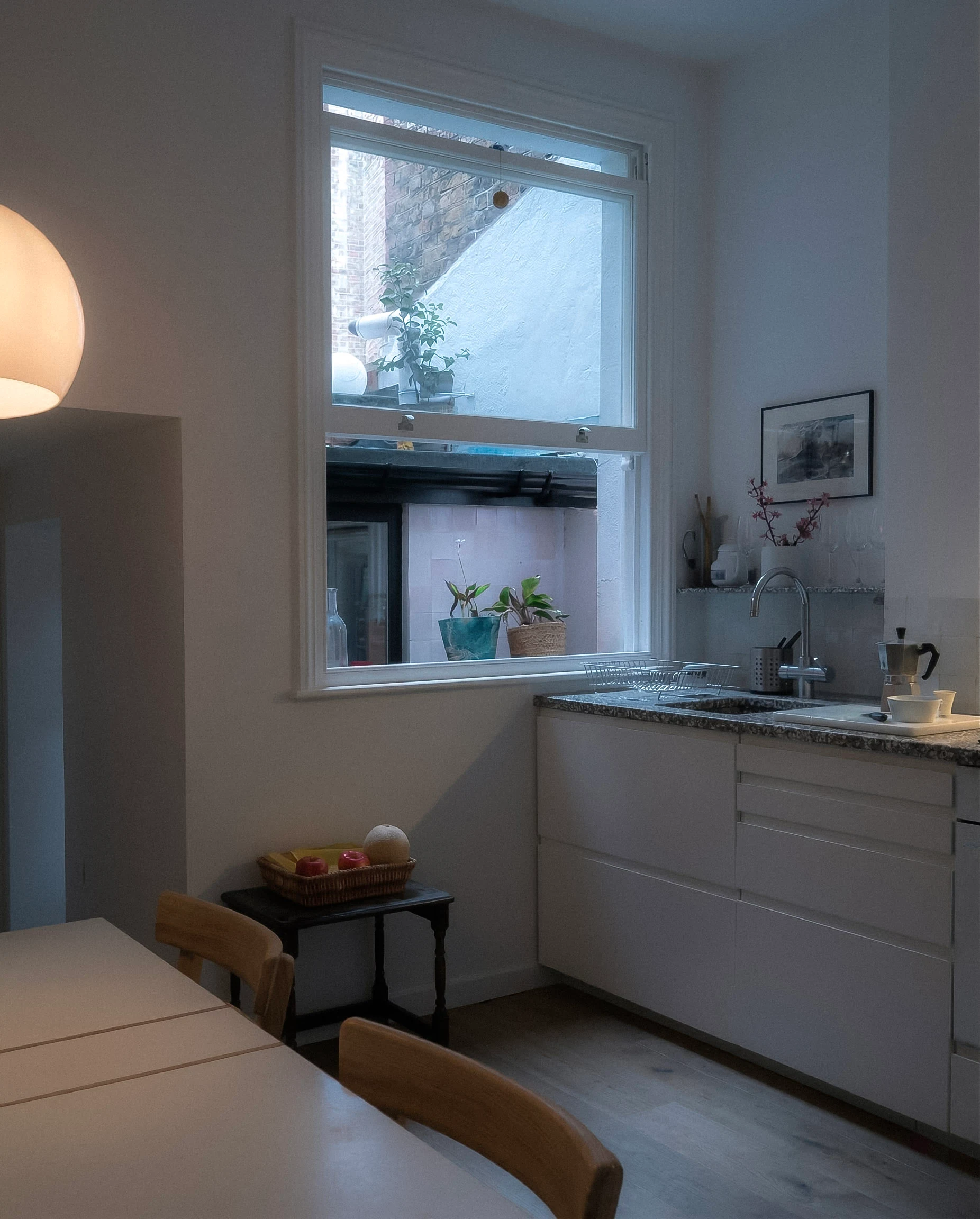
Victorian Ground Floor Extension
2019-2023 | Home South London
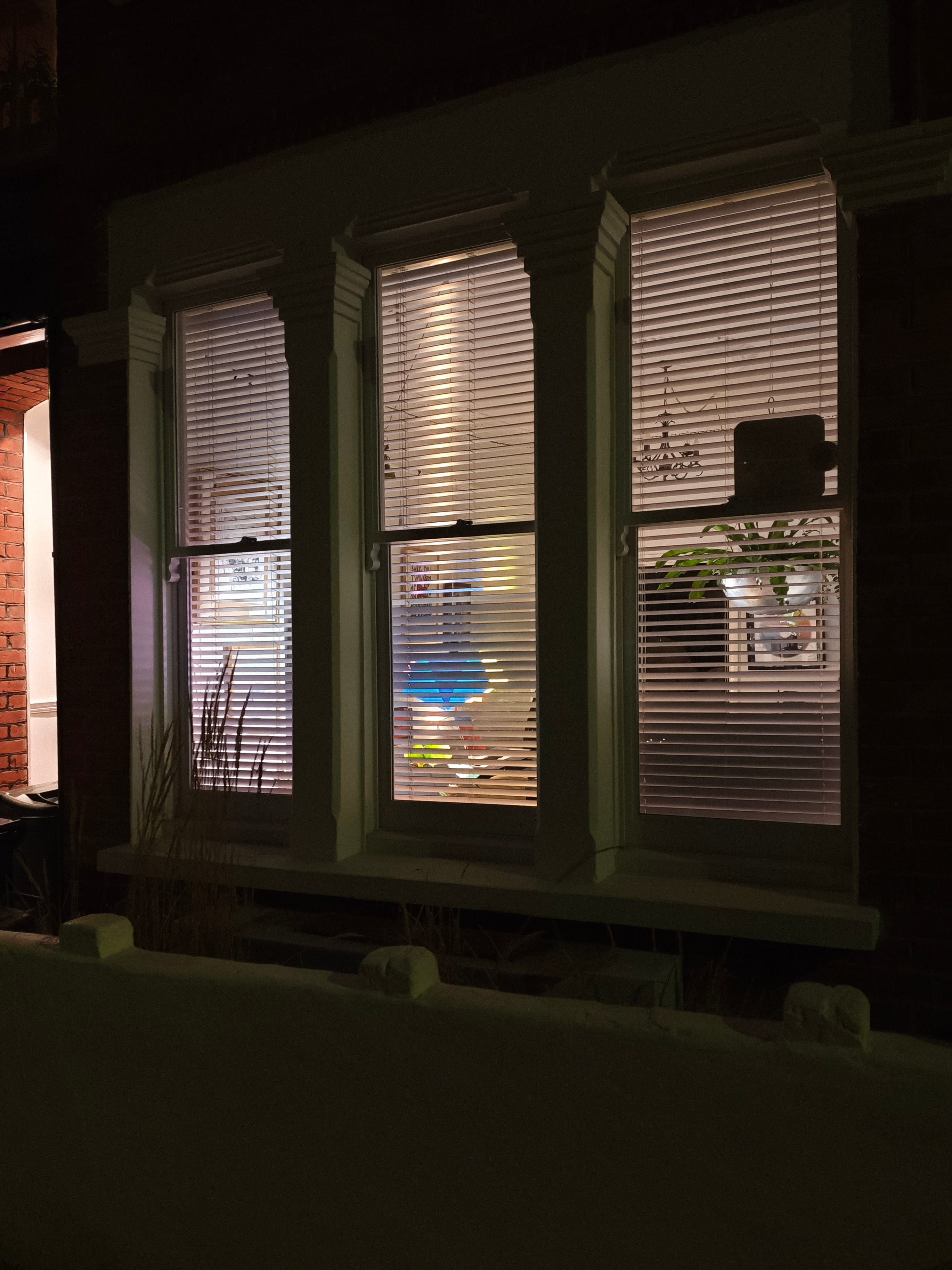
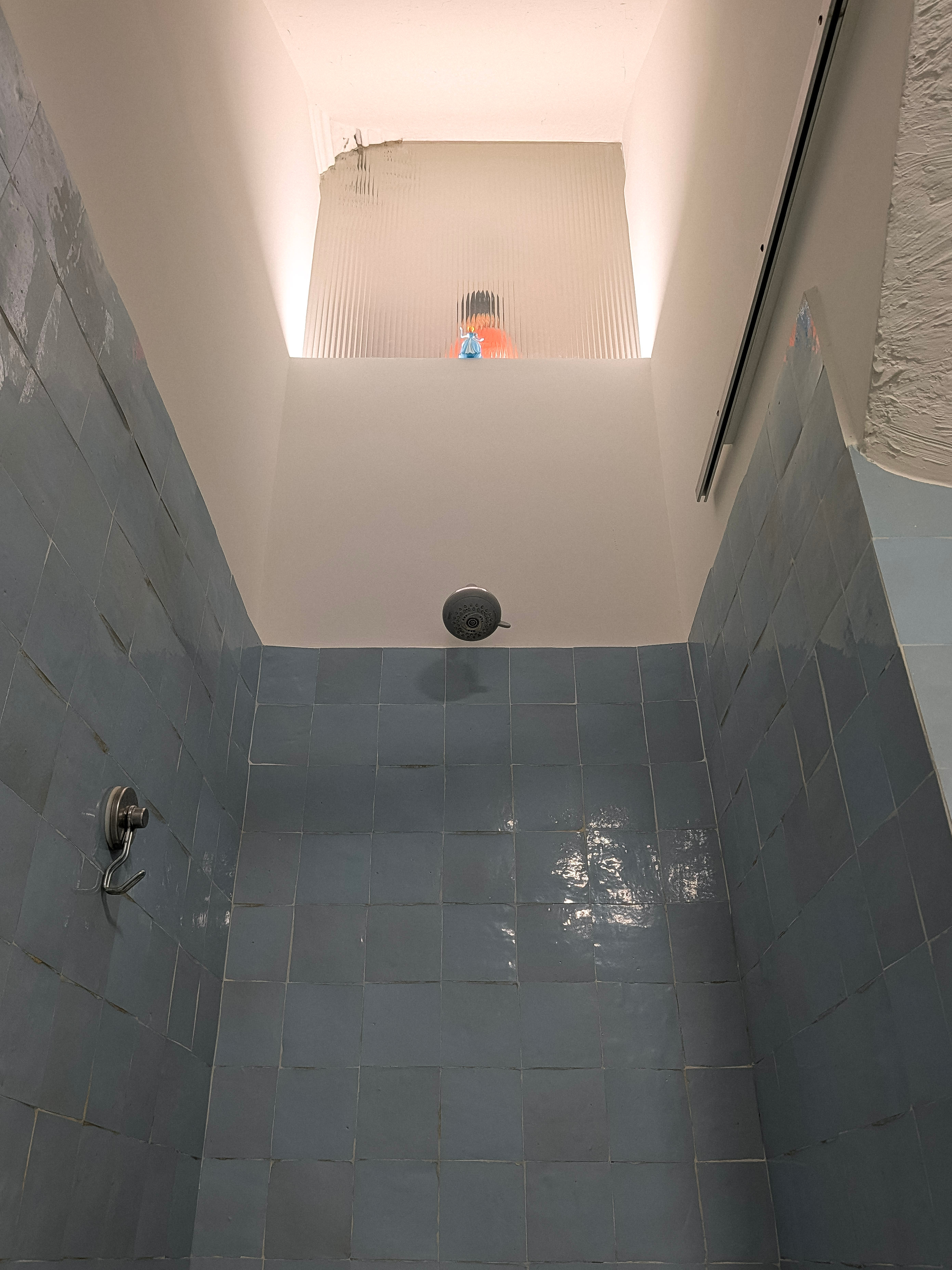
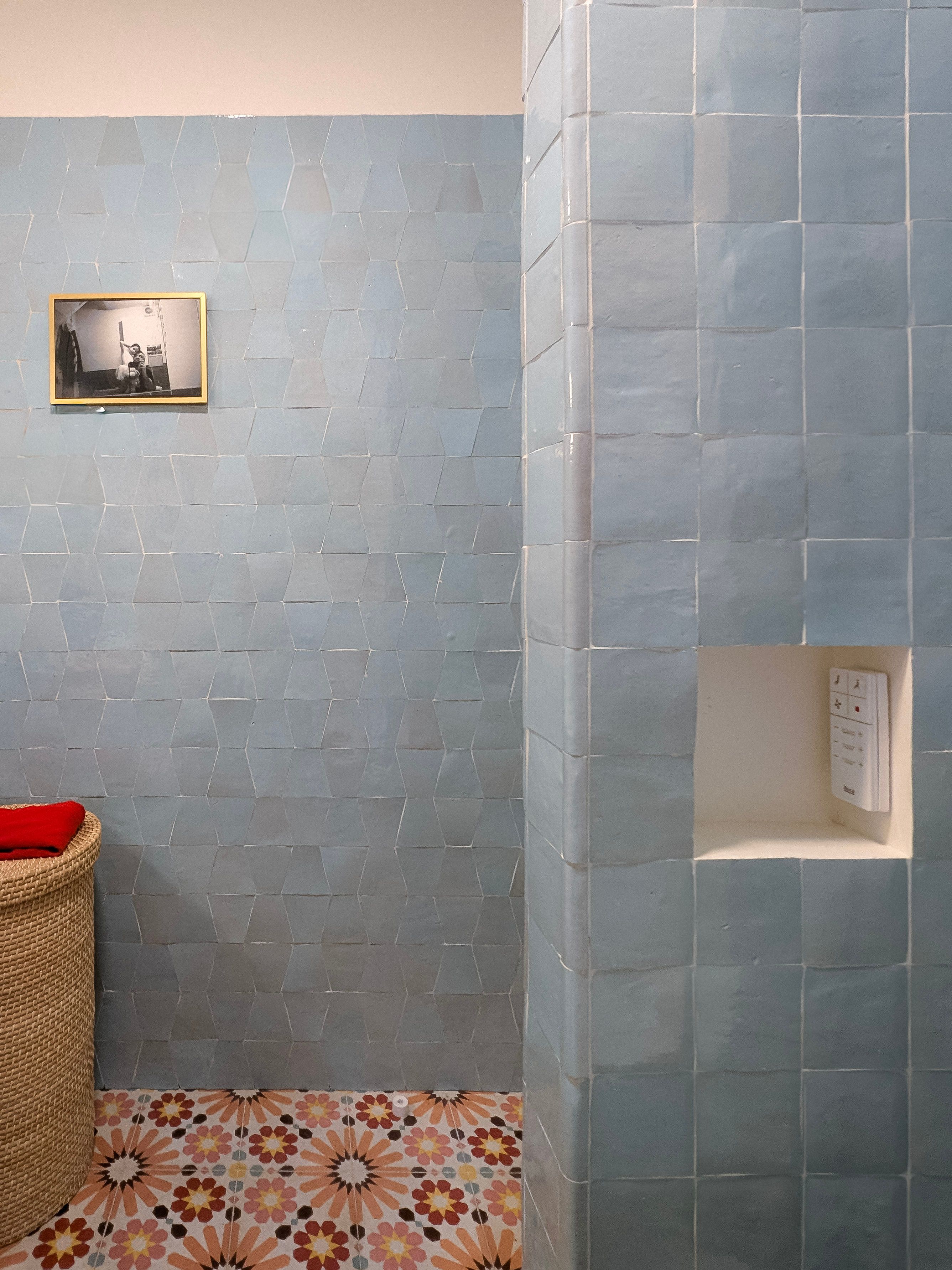
2019–2023 | Victorian Ground Floor Extension
How many ways are there to extend a Victorian ground floor flat? Not many, but there is always space to unlock. Of London's three main historical styles, I have always preferred the austerity of Georgian houses, particularly the uninterrupted view from the street straight through to the back garden. Victorian developers maximized profits by squeezing houses together, leaving interior spaces with very little natural light.
Our flat was no exception. The rear garden is overshadowed by tall neighbouring buildings, blocking direct sunshine from late September to May. To grow, we had to use the narrow side return alleyway to build a minimal-width extra bedroom.
The magic of the plan happens in the middle. A natural split of three steps down allows identical light to reach the central kitchen and dining core. We changed the bathroom entrance to the lower distribution space, which created a cloakspace and a tiny courtyard next to the kitchen. This also allowed us to slot the laundry and boiler paraphernalia underneath.
Our greatest achievement here was recreating that 'Georgian' see-through effect. It is amazing to look through the plan and catch glimpses of external spaces and the garden from both sides of the bedrooms.
The build was a challenge, executed during the pandemic with a fantastic solo contractor, José Estanqueiro, doing essentially all the trades while we rented the flat above. I will return to the site process and the garden in future posts.
Dune House - Winter Footage 2025
Torrão do Lameiro Built in 2008,
This video documents a February 2025 visit to the Dune House, designed by ZapGun for my cousins Nuno and Renata. The footage captures the house in a raw state of winter maintenance. The pool water is untreated, the vegetation is dormant, and the exterior is being repainted. It also shows, fifteen years later, how the once bare sand plot has become a thriving ecosystem featuring local dune vegetation, majestic oaks, and wild pines.
The project sits on a massive sandspit between the lagoon and the Atlantic, which drove the core concept of an artificial dune. Key details of the build include:
Covering the structure using sand from our own site excavations.
Raising and stabilizing the slopes with recycled tyres from a local workshop.
Pivoting from a planned fair-faced concrete design to an eco-friendly painted blockwork system.
2016 to 2025 | Timothy Hatton Architects, London
Commute fragments, 2026
Ten years is a substantial portion of a life to remain in one place. I spent exactly that long at the practice led by Tim Hatton. For someone naturally allergic to predictable routine, looking back is mildly amusing.
The actual value of that era had very little to do with the office dynamics. My real engagement was found entirely in delivering perfect outcomes on the building sites. It was a highly effective transaction that resulted in the factual execution of THA’s most successful late projects.
This position required navigating a highly unique and demanding echelon of clients, which I did. More importantly, it allowed me to spend my days on the ground. I spent those years working directly with an extraordinary spectrum of artisans, workmen, and specialists at the highest possible level. I built a formidable network of master craftspeople in the process, and that was the professional thing I made sure to take with me.
I would go back, however, for the Friday Somalian lamb shank with my friend Elvis. I would go back for the dry figs at NutCase or a festival at the Ochi. Strangely enough, I also miss the long and sometimes annoying commute to the office. That one hour in and one hour out became a structured space for my morning meditation, reading, and listening to music. It was the necessary mechanism to settle my mind for the day and the evening.
This video compiles sound and visual fragments of my daily commute during that period. It is a precise synthesis of that experience.
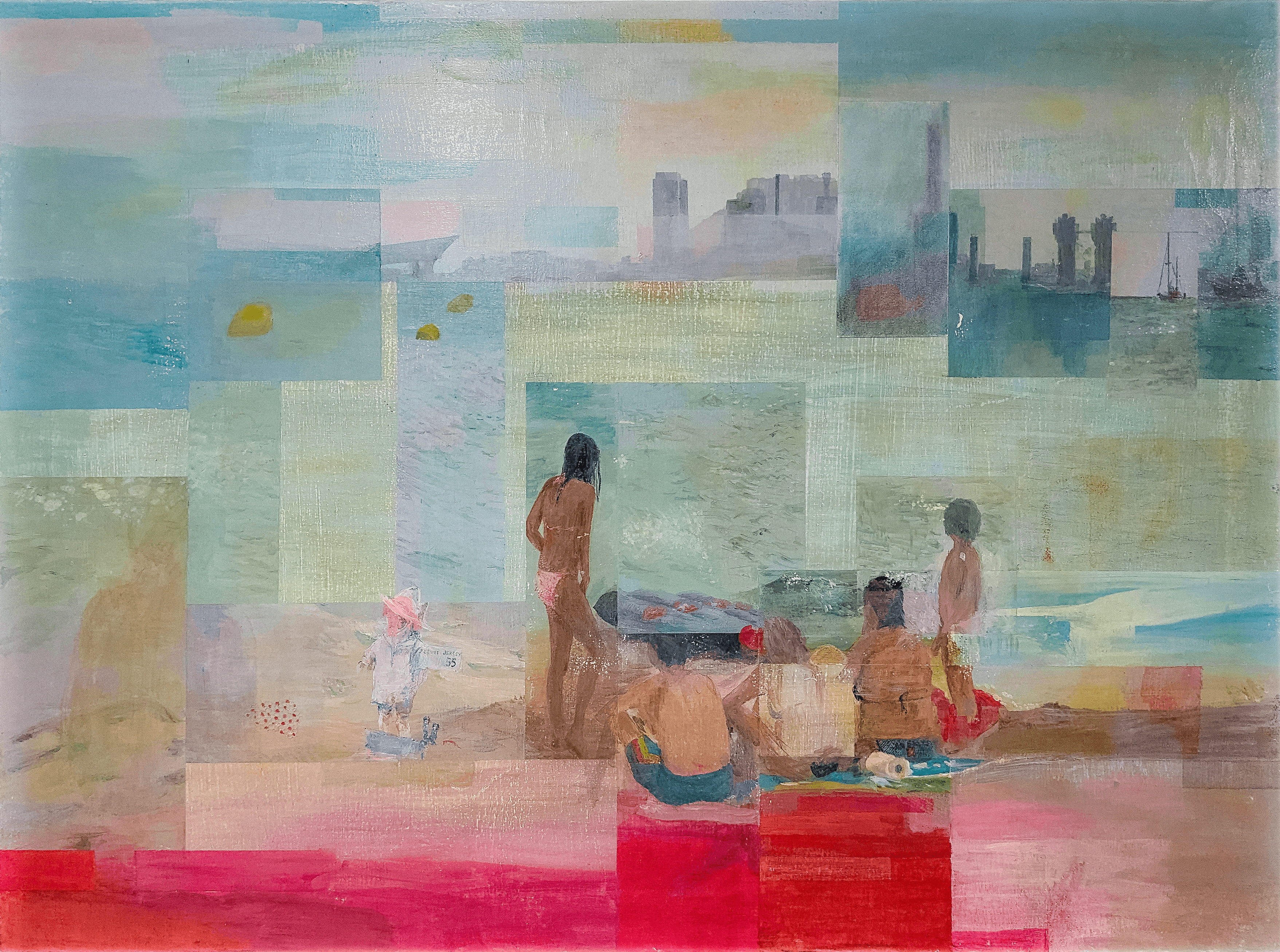
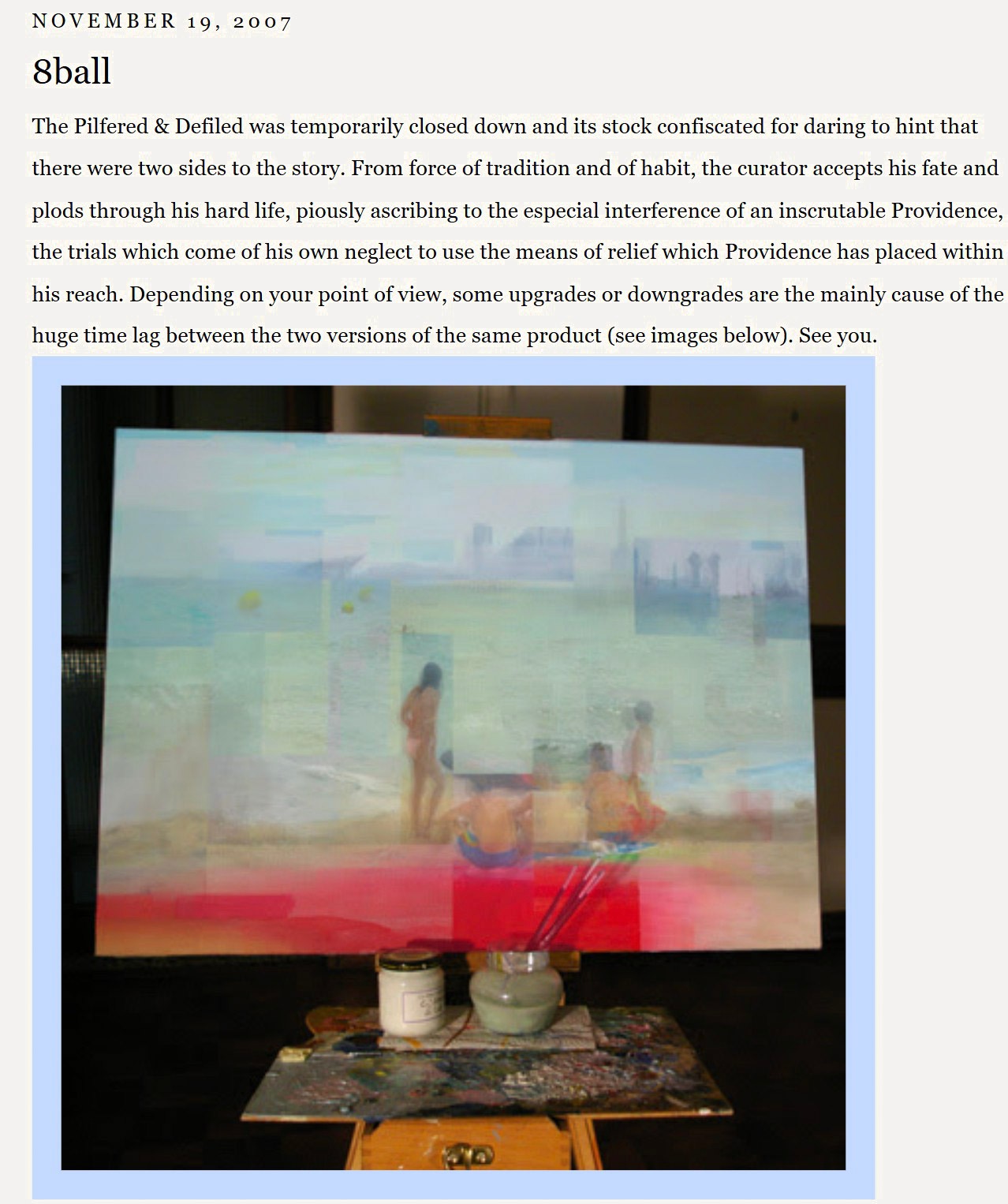
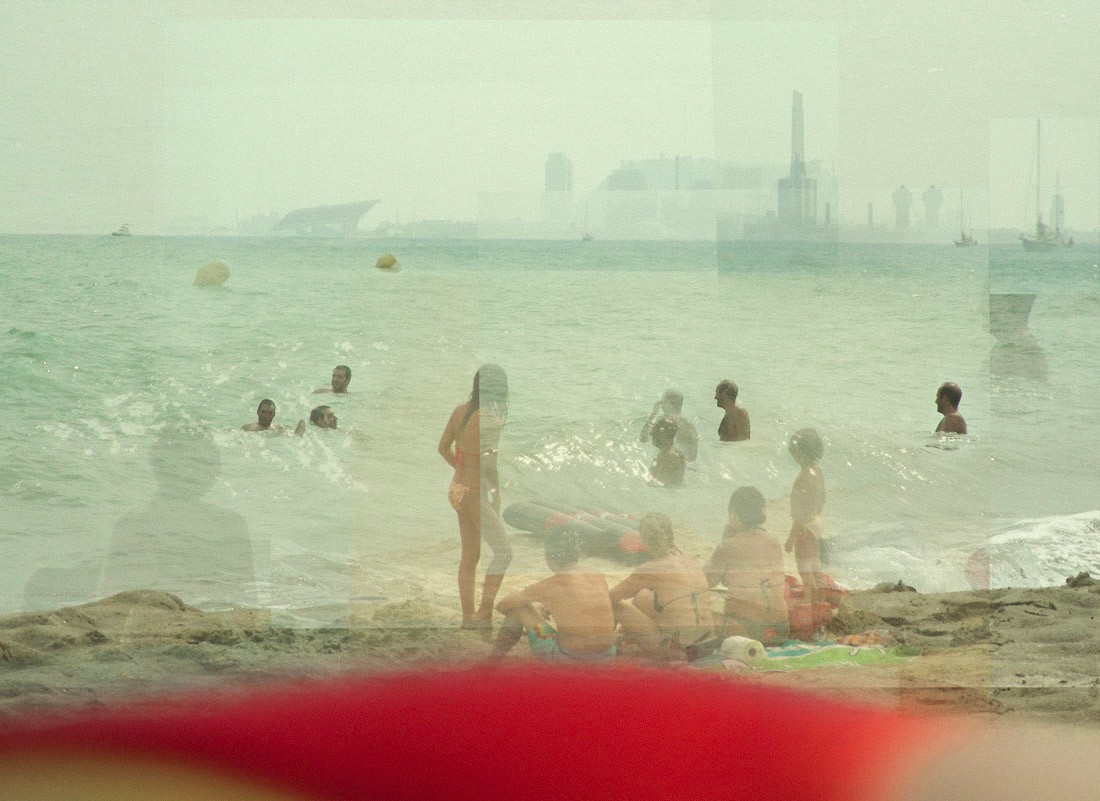
Arenys de Mar vs Montgat
2007 | Oil on canvas (83x55cm)
This painting served as the closing chapter for Pilfered & Defiled, my blog dedicated to early "Dirty New Media" and digital assemblage. After two years and over 400 digital works treating the JPEG as a malleable, breakable object, I needed to return to the physical weight of raw materials. It applies the logic of the "corrupted JPEG", the layers, the errors, the fragmentation, to the traditional surface of the canvas, proving that things are rarely what they seem, whether on a screen or on a wall.
As a curiosity, this mirrored my music at the time. After years where electronic music was reigning, with frequent presence at Sónar and other digital events, I was fully back to raw rock like Swans, Sunn O))), Melvins, Boris, or Earth. It was also when I purchased an electric guitar, just to entertain myself with the raw drone sound of it.
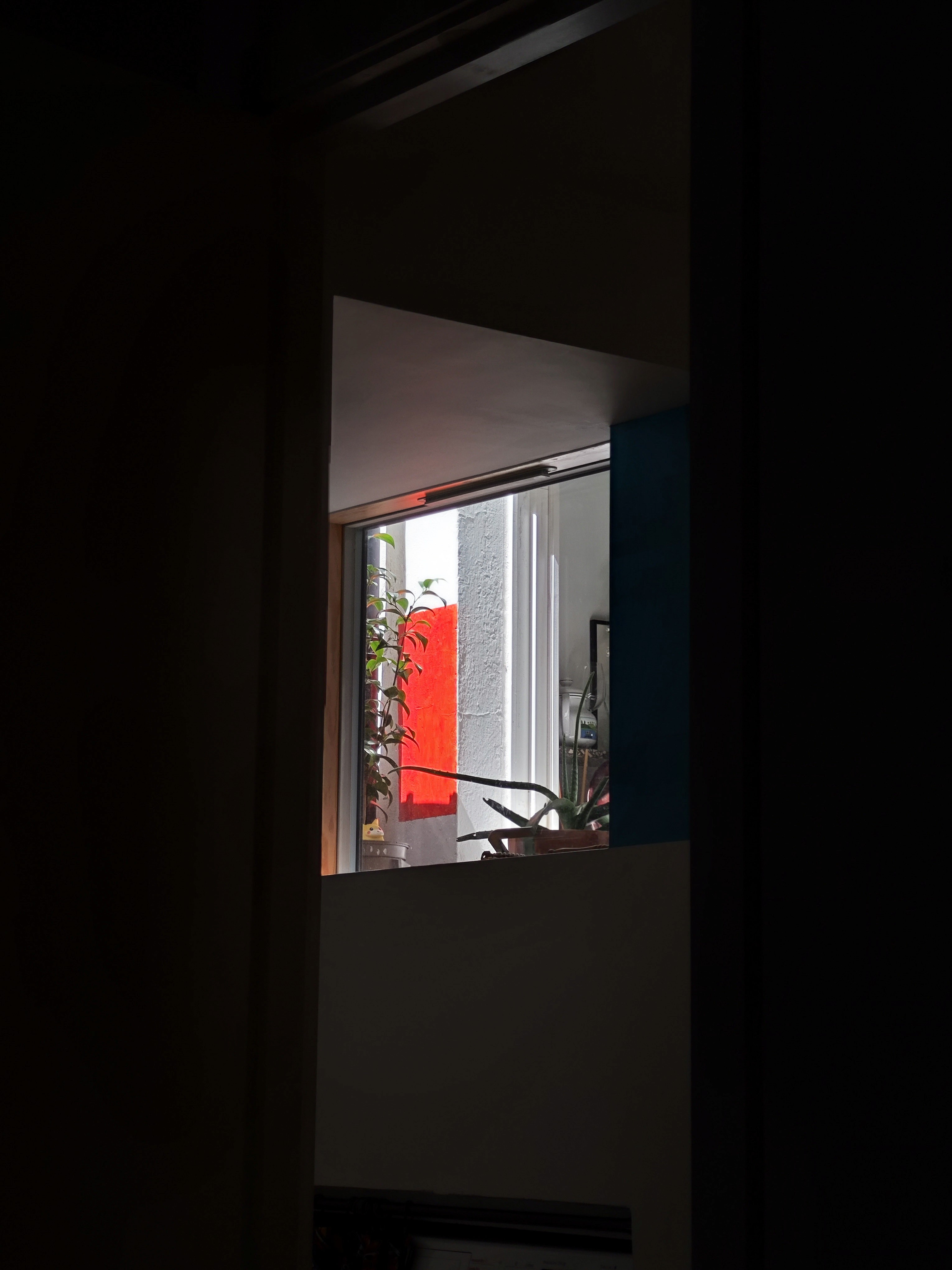
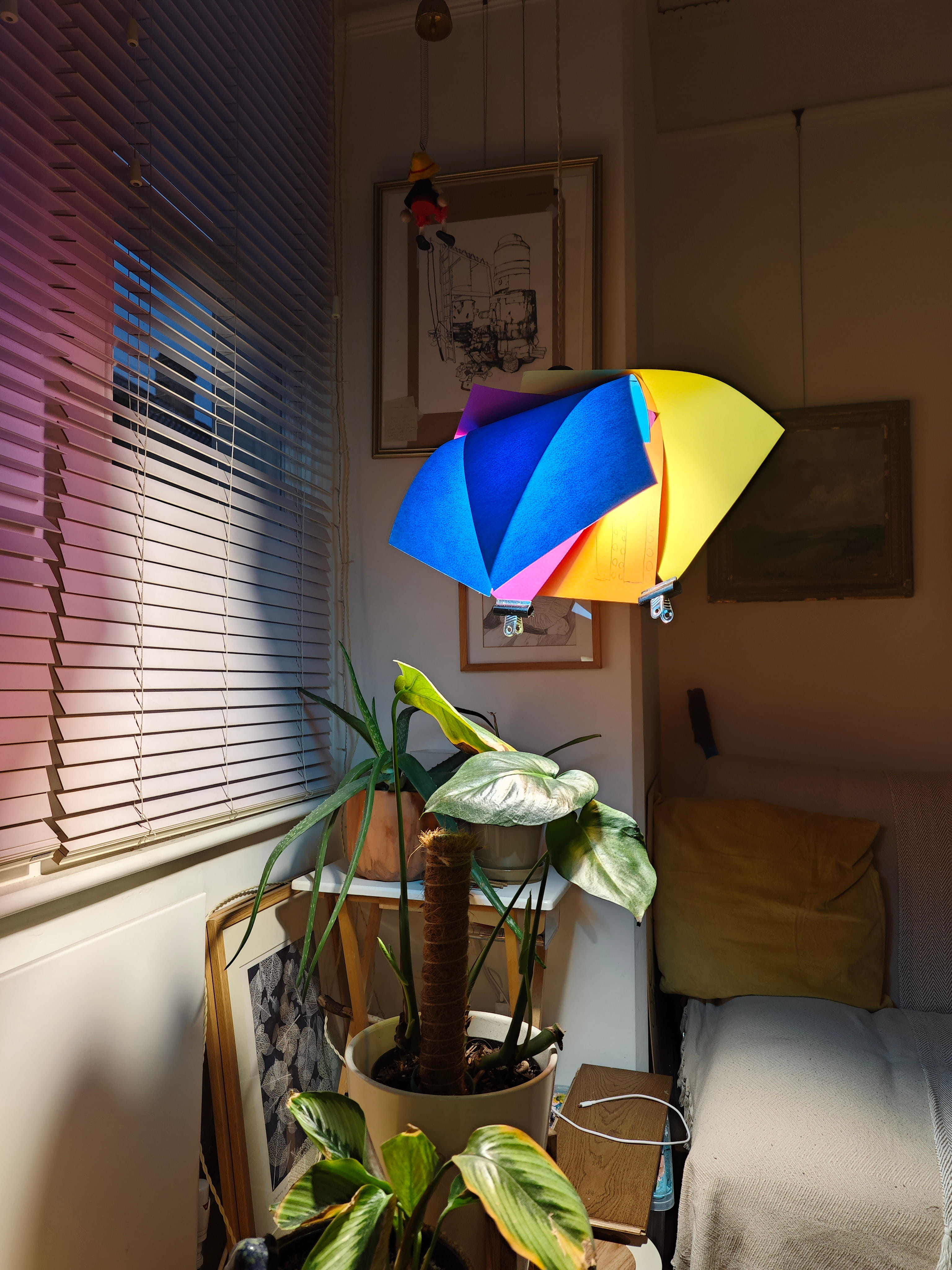
“Vermelho e Azul para Olhar ao Acordar” 2025
Acrylic on RAL9010, Site-specific (South London)
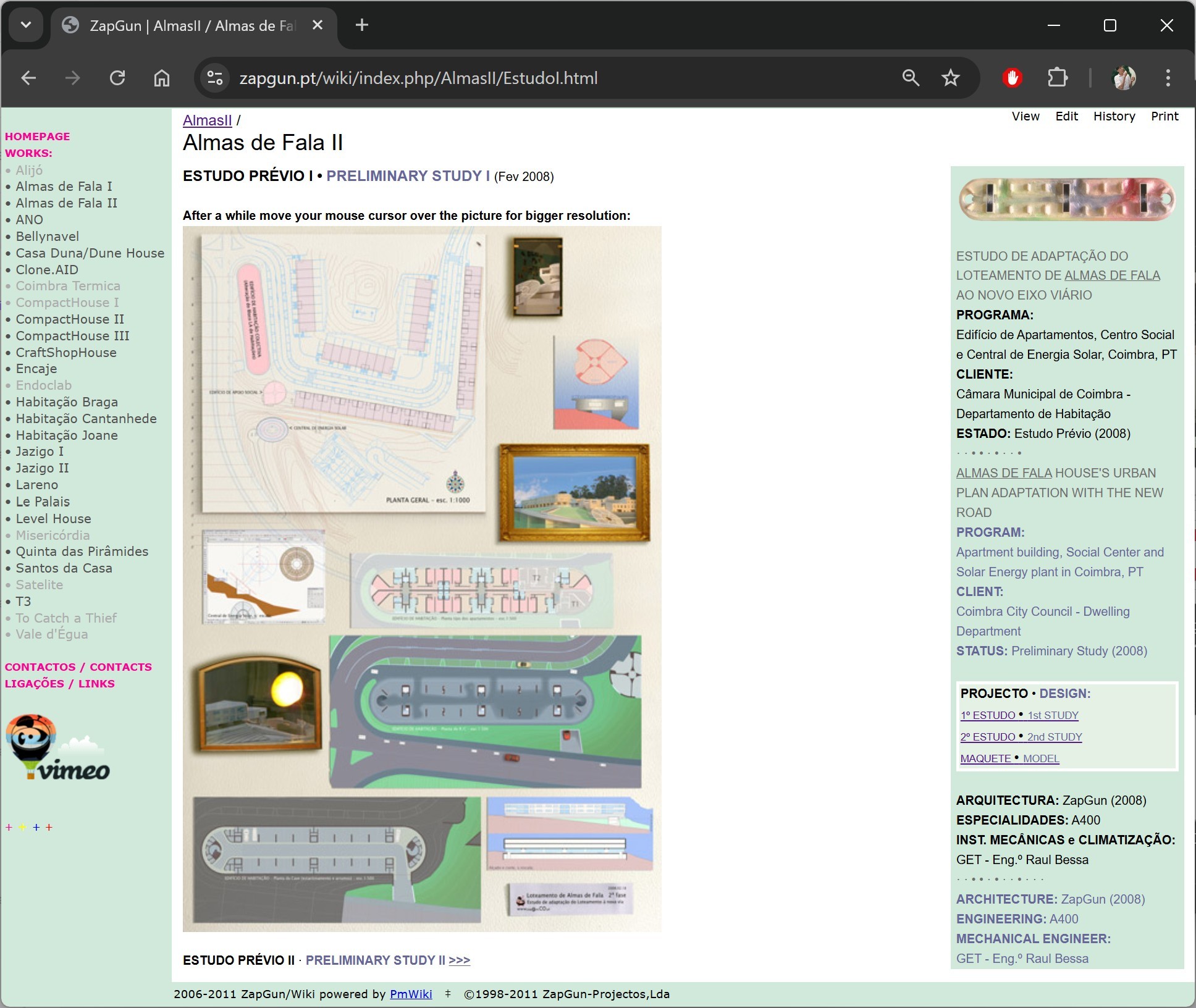
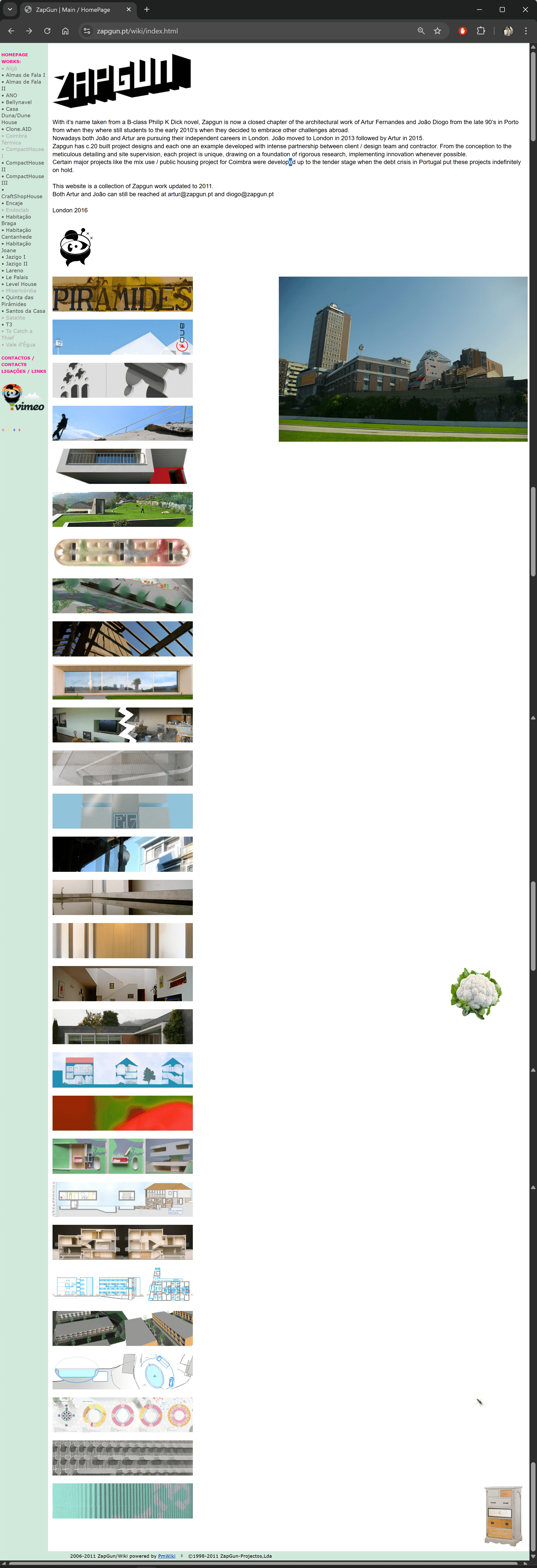



www.ZapGun.pt
1998-2011 | An experimental digital home frozen in time.
ZapGun has inhabited the web since 1998 being pioneers in the digital presence of Portuguese architecture, evolving from early blog formats to interactive Flash experiments with Nuno Baldaia, wrapped in the distinct graphic identity of Renato Seixas (FireGirl). By the turn of the millennium, they became early adopters of the PmWiki system utilizing this technology to create a dynamic, editable platform—pioneering the use of Wiki engines long before the industry standard emerged. Rejecting the static brochure sites of the time, we designed our digital "home" with the same experimental rigor we applied to our built projects.
The site, ZapGun.pt, remains online as a digital artifact. Frozen since 2011 and built on now-obsolete code, most of its original functions and links have succumbed to digital entropy.